Vet Charities First
A disaster dominates the news, and within hours the donation appeals flood in — texts, social posts, crowdfunding pages, callers. Most are legitimate; some are pure fiction run by people who specialize in monetizing tragedy. Your generosity deserves a real charity, not a convincing story. This guide vets any appeal in minutes before you give. For the romance-flavored version of emotional fraud, learn to spot romance scams.
TL;DR / Quick Fix
Quick fix: before donating to any disaster appeal, verify the charity on an independent evaluator site and give through the charity's official website — never by gift cards, wire transfers, or crypto. Pressure to give 'right now' is a red flag; real charities accept your donation tomorrow too.
Follow these steps
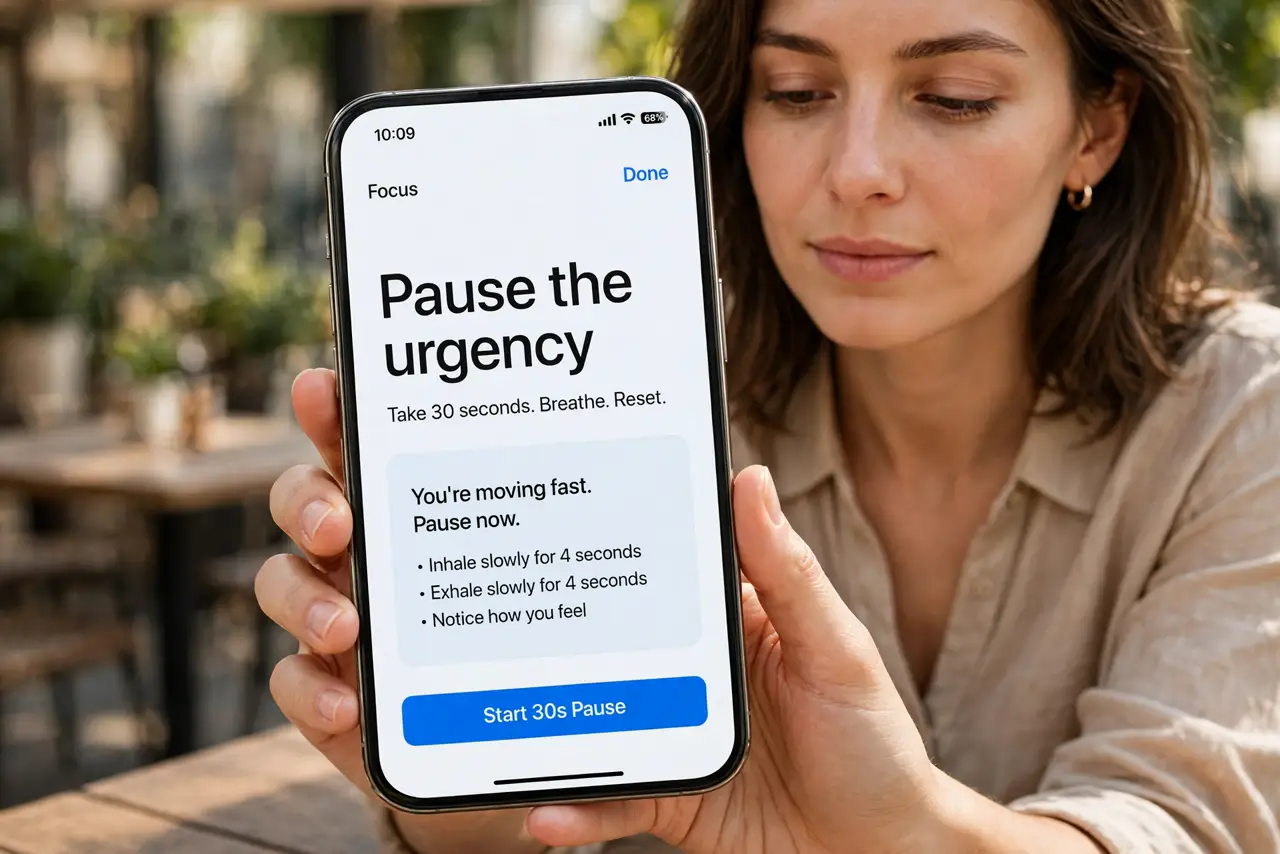
- Pause the urgency. Disaster scammers manufacture time pressure — 'matching funds expire tonight.' Real charities will gladly take your money tomorrow. Urgency is the tell, not the reason.
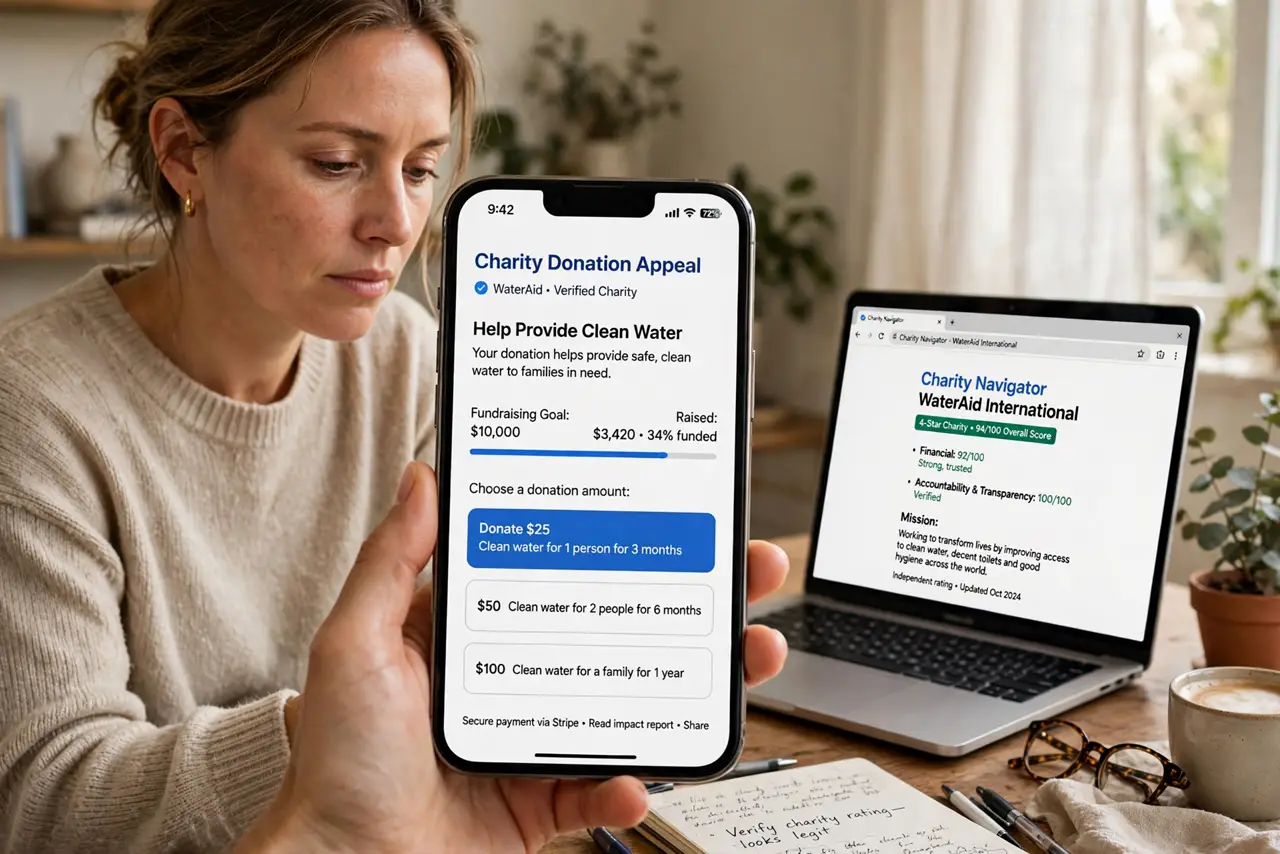
- Verify on an evaluator. Look the charity up on an independent charity evaluator. Real charities have filings, ratings, and history; scam operations have a website built last week and nothing else.
- Give through official channels. Donate on the charity's own website — typed by you — not through links in texts, social posts, or emails. Links are where the impersonation happens.
- Watch the payment method. Legitimate charities take cards and checks. Gift cards, wire transfers, and cryptocurrency for 'disaster relief' are scam-only methods — no exceptions.
- Be skeptical of crowdfunding. Individual fundraisers can be real or fictional with no way to tell from the page. Prefer established charities, or people you can verify independently.
- Check the name closely. Scam charities use names confusingly similar to famous ones — one letter off, an extra word. Compare against the real charity's official site before giving.
What NOT to do
- Do not donate through a link in an unsolicited text. Type the charity's address yourself — the link is the attack surface.
- Do not give by gift card or wire 'for speed.' Speed benefits the scammer; the charity does not need your money in gift cards.
- Do not trust a viral post alone. Heartbreaking stories with donation links are the easiest scam content to fake — verify first.
- Do not assume a sad caller is legitimate. Phone solicitors can be anyone; ask for the charity's website and hang up to verify.
Frequently asked questions
How do I know a charity is real?
Independent evaluators list legitimate charities with financial filings. A real charity also has a multi-year web presence and a physical address.
Are all crowdfunding fundraisers scams?
No — many are genuine. But they are unverifiable by nature, so prefer them only for people you know or can verify.
Can I get a donation back if scammed?
Card donations may be disputable; wires, gift cards, and crypto are usually gone. Report to the FTC regardless — it helps shut them down.