Start Flying Drones
Drones look like pure fun until the rules, the jargon, and the fear of crashing into something expensive freeze you. Start simple: a small inexpensive drone, a wide open space, and the basic rules learned before takeoff. Your first crash is practically a rite of passage — make it cheap and harmless. When you are ready for the paperwork, see registration basics.
TL;DR / Quick Fix
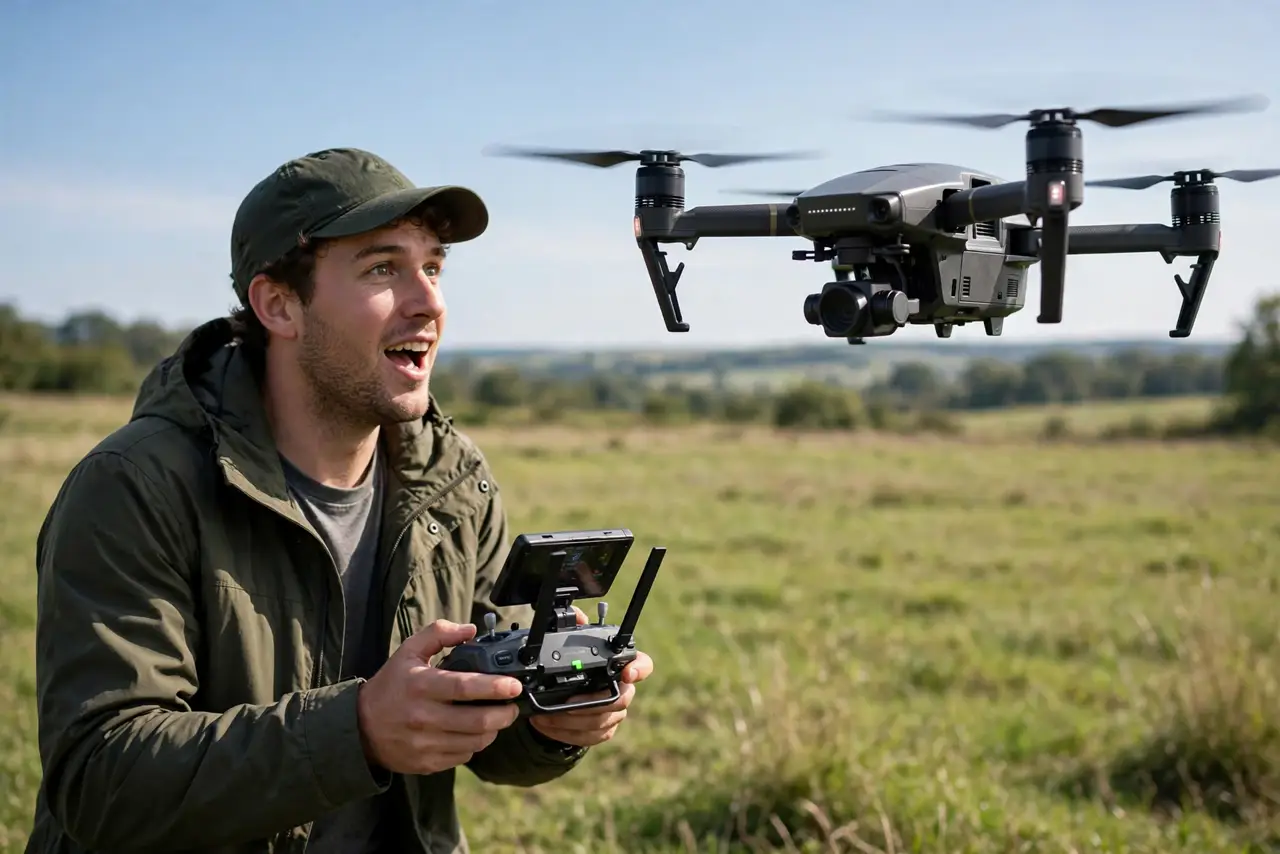
Quick fix: start with a small, inexpensive drone and learn in a wide open space away from people — crashing your first drone is a rite of passage. Learn the FAA rules before you fly, and register if your drone is heavy enough to require it. Crawl before you soar.
Follow these steps
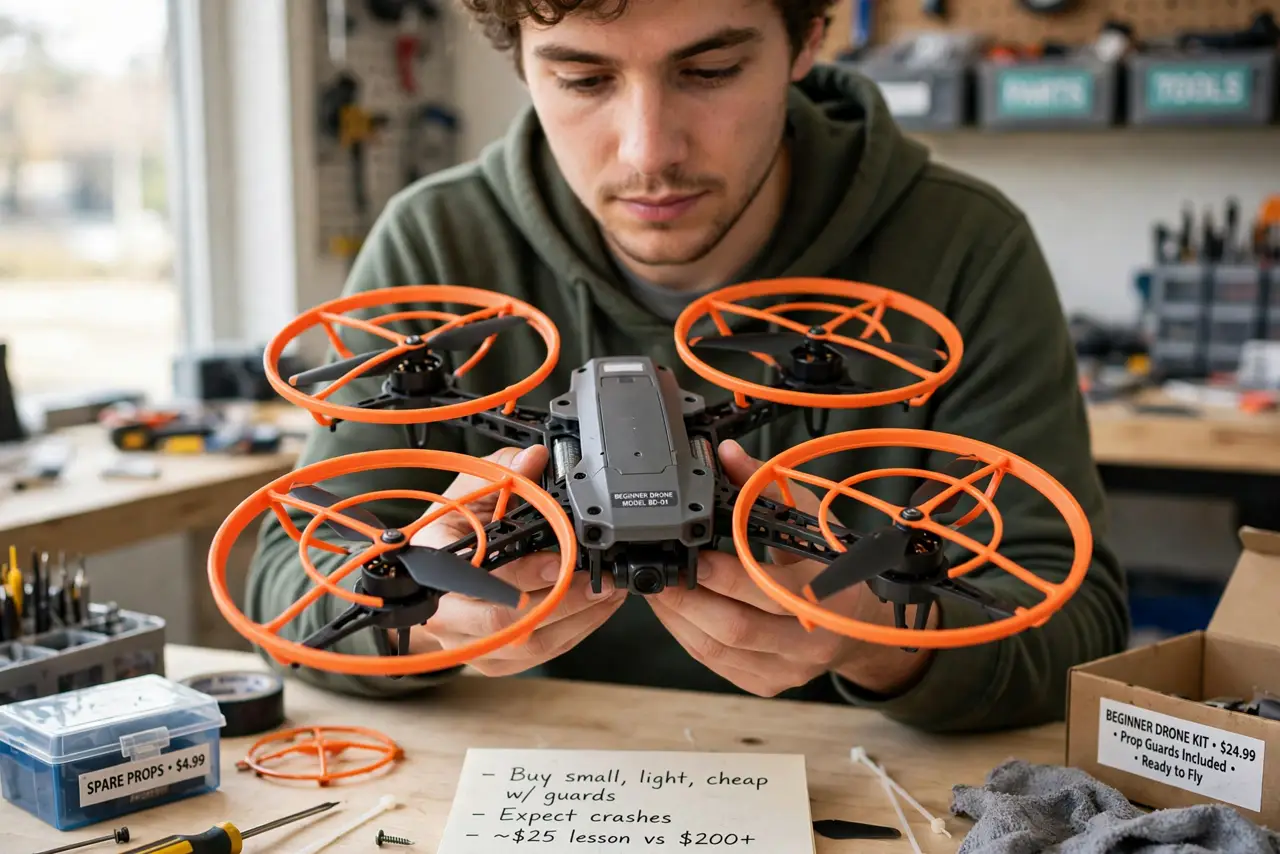
- Start with a beginner drone. Buy small, light, and cheap — with propeller guards. You will crash it; the lesson should cost tens of dollars, not hundreds.
- Learn the basic rules first. In the US, the FAA sets the rules: fly below 400 feet, keep the drone in sight, never fly over people or near airports. Learn your country's equivalent before the first flight.
- Find a wide open space. An empty field or park (where drones are allowed) is your classroom. Trees, water, and crowds are advanced terrain — avoid them at first.
- Practice the basics low and slow. Takeoff, hover, gentle turns, landing. Repeat until boring. Most crashes come from attempting fancy moves on day one.
- Respect people and privacy. Do not hover over neighbors, crowds, or private property. A drone is a camera that flies — other people's comfort matters.
- Register if required. Heavier drones need FAA registration in the US, and the rules tighten with weight. Check the registration guide before upgrading.
What NOT to do
- Do not fly near airports or over crowds. This is the fastest way to break the law and endanger people — and enforcement is real.
- Do not buy a pro drone as your first. Expensive drones crash just as hard; learn on something replaceable.
- Do not fly out of sight. Losing visual contact is how drones get lost — keep it where you can see it.
- Do not ignore local rules. Parks, beaches, and cities often have their own drone restrictions on top of national ones.
Frequently asked questions
Do I need a license to fly?
For pure recreation with a small drone, generally no license — but registration and the basic safety rules still apply. Commercial use is a different story.
How long do drone batteries last?
Typically 20 to 30 minutes per battery. Buy at least one spare — your flying sessions will thank you.
What if I crash into something?
You are responsible for damage your drone causes. That is why beginners practice far from people, cars, and windows.