Fake Charities After Disasters?
Hours after a disaster, the donation appeals appear — emotional, urgent, and some of them fake. Disaster scammers build lookalike charity sites and blast social media links, harvesting generosity that never reaches victims. Giving wisely takes five minutes of verification and protects both your money and the cause.
TL;DR / Quick Fix
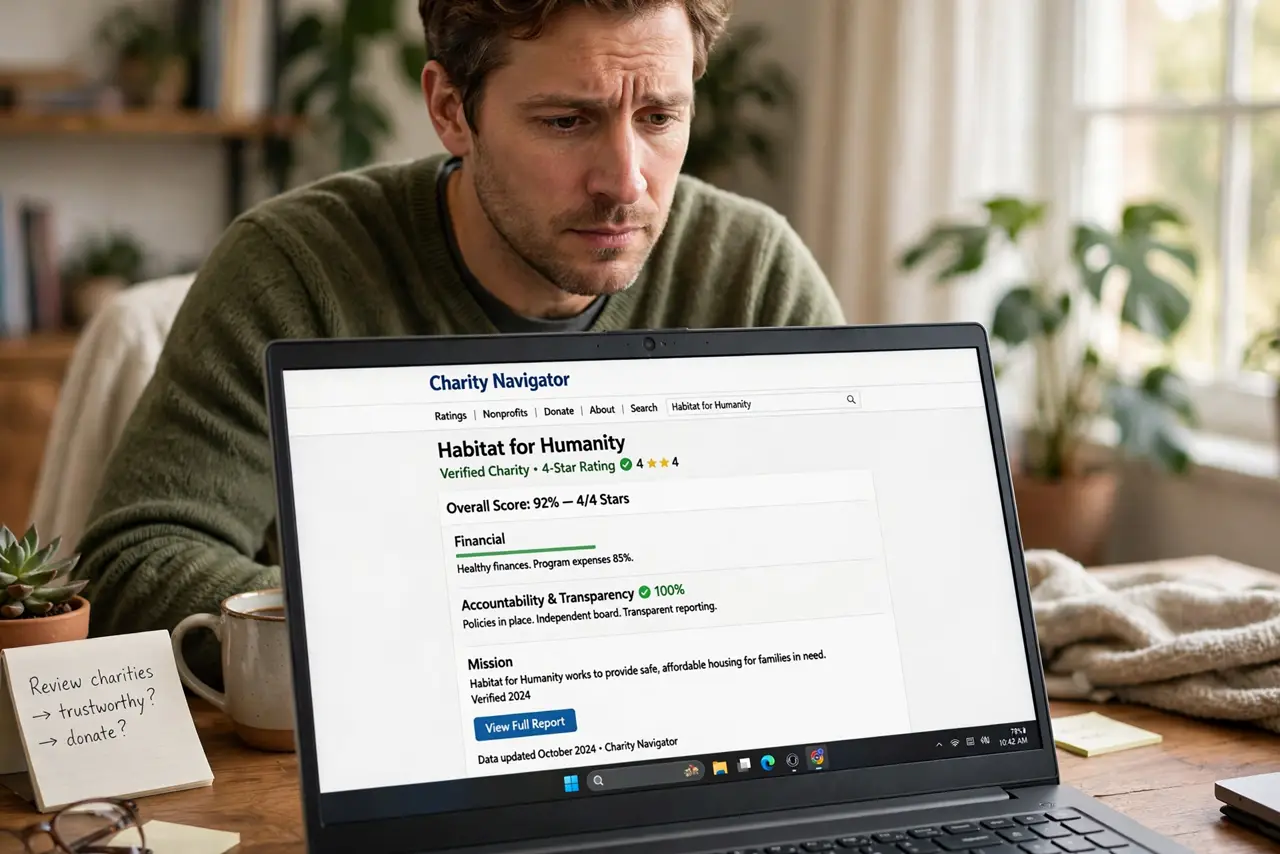
After every disaster, fake charities appear to harvest donations — verify before giving. Check the charity on Charity Navigator or the IRS exempt database, and donate through the organization's official site, never via social media links or texts. Real charities never pressure you for instant payment.
Follow these steps
- Pause before the emotional donate. Urgency is the scammer's tool — real relief work continues for months. A donation tomorrow through a verified channel helps more.
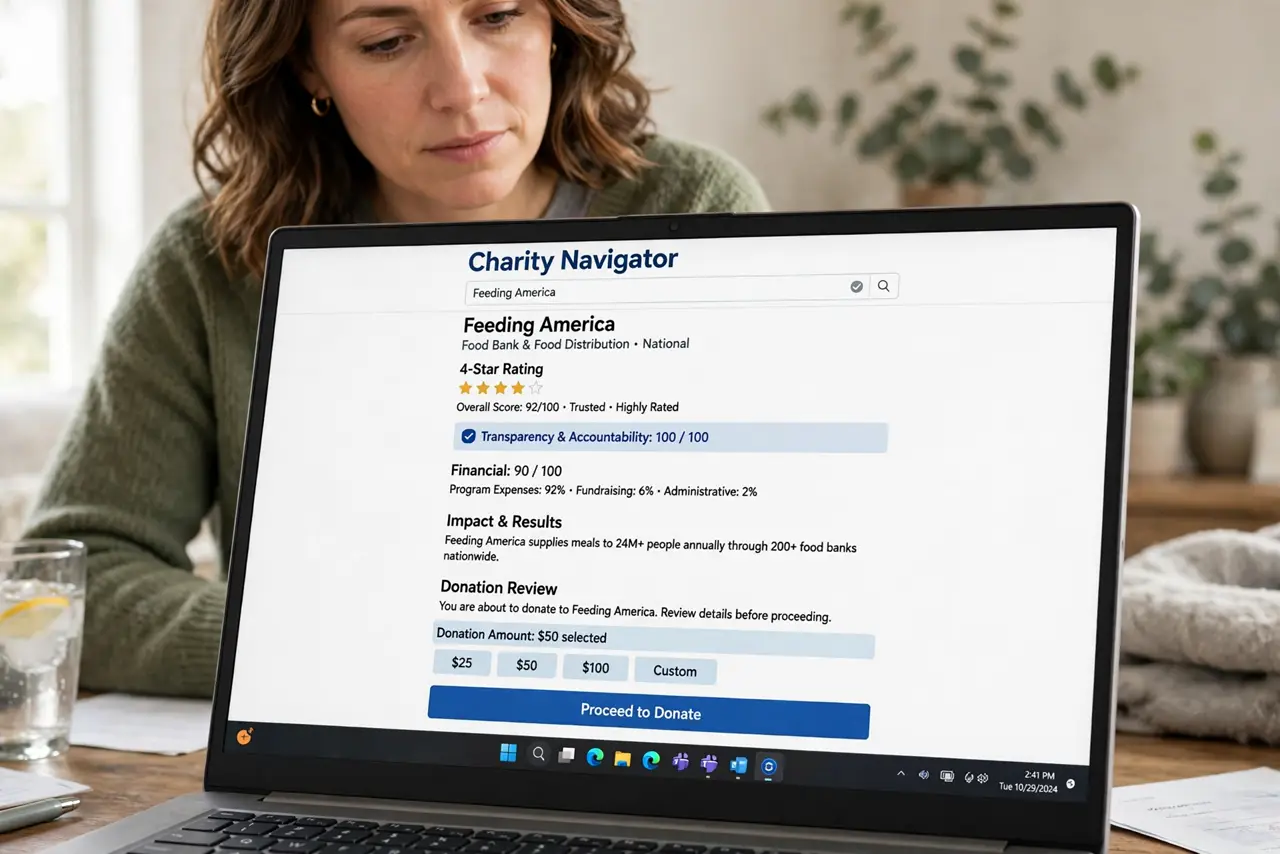
- Verify on independent watchdogs. Search the charity on Charity Navigator, Candid, or the IRS Tax Exempt database. No record means no donation — see the ticket parallel for the same verify-first habit.
- Donate through the official site only. Type the charity's address yourself or use their official app. Social media links and text-message appeals are easily faked.
- Beware lookalike names. Scam charities mimic famous names with tiny changes — one letter, one extra word. Read the name character by character.
- Never donate by gift card or wire. Real charities take cards and checks through secure processors. Untraceable payment demands are always scams.
- Keep receipts for taxes. Legitimate donations generate receipts you can deduct. If 'the charity' can't receipt properly, that's another red flag.
What NOT to do
- Do not donate via social media donate buttons you didn't verify. Faked fundraisers ride every disaster's hashtag wave.
- Do not trust crowdfunding pages at face value. Some are real neighbors in need; others are fiction — verify the organizer independently.
- Do not let a caller guilt you into instant payment. Phone solicitors demanding immediate card details are nearly always scams.
- Do not assume a .org domain means legitimate. Anyone can register one — verification databases, not domains, are the test.
Frequently asked questions
How fast do fake charities appear?
Within hours of major disasters. Scammers prepare templates and launch the moment news breaks.
Are all crowdfunding disaster pages scams?
No — many are genuine. But verify the organizer's identity and connection to the cause before giving.
What's the safest way to help fast?
Donate to established organizations you already know, through their official sites. Speed and safety coexist when the charity is pre-verified.