Rural Internet Options? Compared
Out past the suburbs, 'just get fiber' is a fantasy — the options are DSL, fixed wireless, satellite, or cellular, each with real trade-offs. Rural internet shopping is about matching the technology to your actual needs: video calls care about latency, streaming cares about data caps. Here is the honest comparison.
TL;DR / Quick Fix
Quick fix: list what actually reaches your address — DSL, fixed wireless, satellite, or 5G home internet — then match to your needs. Satellite works anywhere but has high latency; fixed wireless and 5G suit video calls better if available. Check data caps first; rural plans cap harder.
Follow these steps
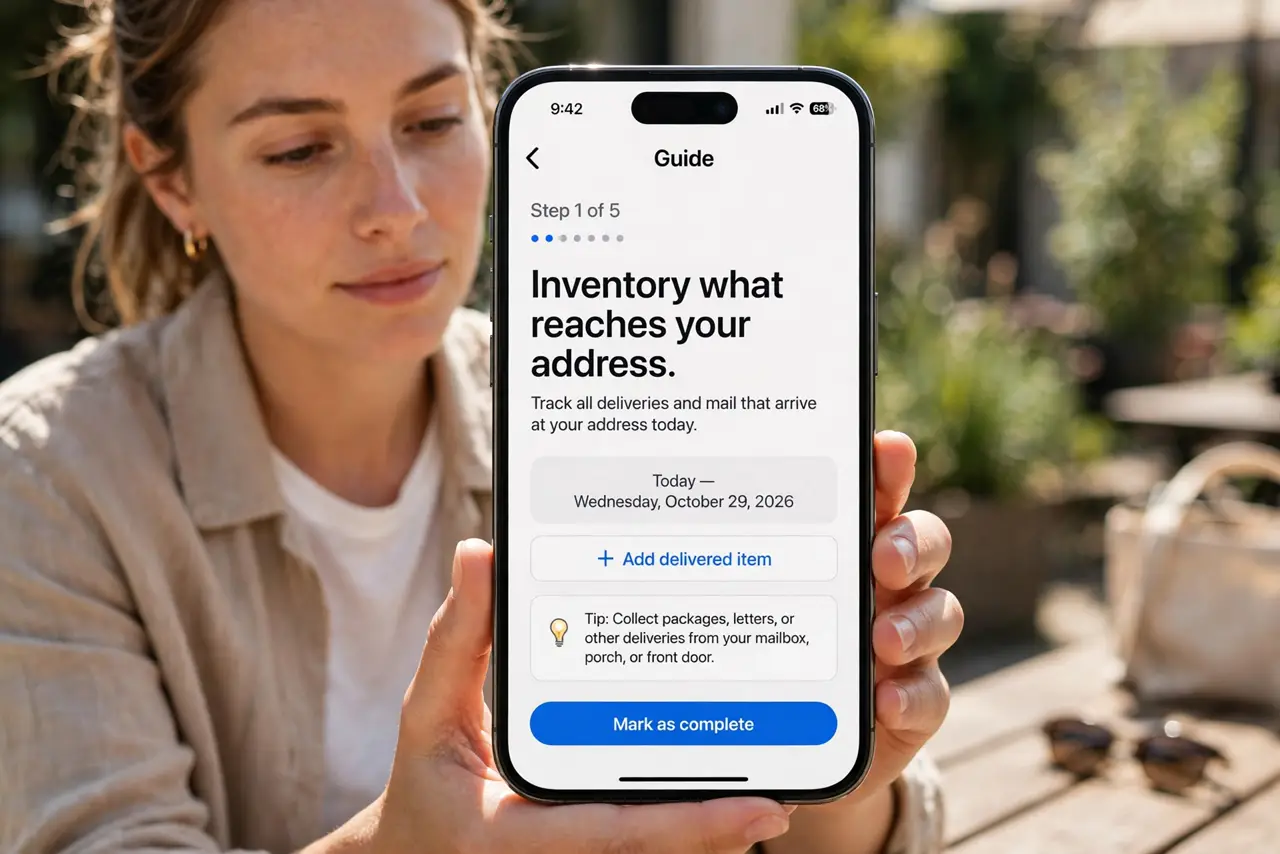
- Inventory what reaches your address. Check each provider's availability tool with your exact address — rural coverage is street-by-street. Make a real list before comparing anything.
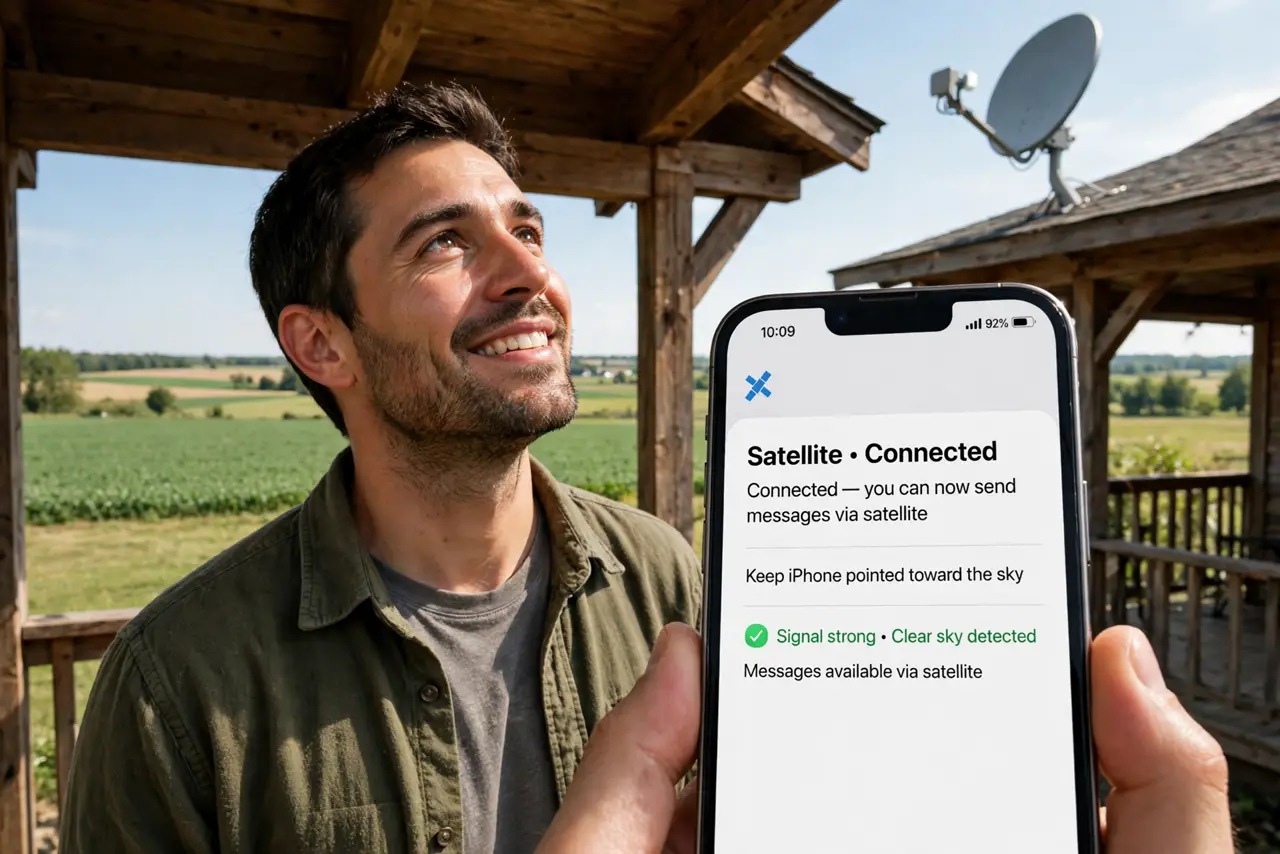
- Understand satellite's trade-off. Satellite reaches literally anywhere, but the signal's round trip to space means high latency — fine for streaming, painful for video calls and gaming.
- Consider fixed wireless first. A local tower beaming to an antenna on your roof often beats satellite on latency and price — if you have line-of-sight to the tower.
- Check 5G home internet availability. Carriers keep expanding rural 5G home service. Where available it is often the best mix of speed, latency, and price — and setup is a single box.
- Read the data caps ruthlessly. Rural plans cap harder than city ones, and satellite caps bite fastest. Match the cap to your streaming habits before anything else.
- Ask neighbors what actually works. Rural internet is hyper-local — the tower, the trees, the weather. A neighbor's real experience beats every coverage map.
What NOT to do
- Do not sign a satellite contract without testing latency needs. If video calls are your livelihood, satellite's delay may be a dealbreaker.
- Do not trust coverage maps alone. 'Covered' on a map and 'works at my house behind that hill' are different things — ask neighbors.
- Do not ignore the equipment costs. Satellite dishes and professional installs add hundreds upfront — factor them into year-one math.
- Do not assume DSL is dead everywhere. Short-loop DSL near a rural town can be perfectly fine — distance to the node is everything.
Frequently asked questions
What's the best rural internet for working from home?
Usually fixed wireless or 5G home internet — low enough latency for video calls. Satellite works if nothing else reaches you, but calls will lag.
Why is rural internet more expensive?
Fewer customers share the infrastructure cost, and the technologies cost more per home to deliver. Competition is also thinner.
Will satellite internet ever get better latency?
Low-orbit satellite constellations have cut latency dramatically versus old geostationary service — but it still trails ground-based options for real-time uses.