Check Washing? Protect Yourself
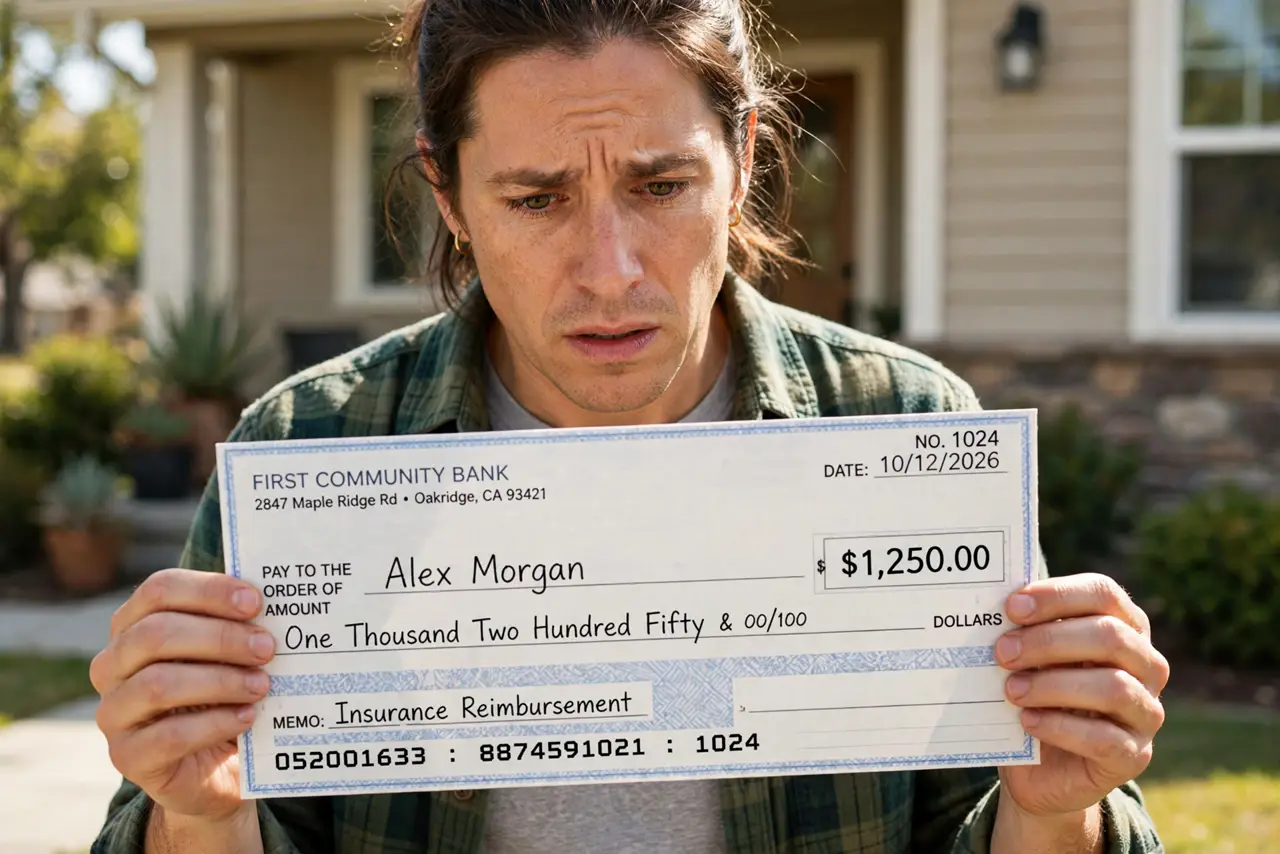
Check washing is an old crime with new popularity: thieves steal mailed checks and chemically wash off the ink, rewriting the payee and amount while keeping your signature. Your $40 electric bill becomes a $4,000 payout to a stranger. It sounds like something from another century, but reports keep climbing. Here is how it works and how to stop being a target.
TL;DR / Quick Fix
Quick fix: check washing means thieves alter stolen paper checks with chemicals. Stop mailing checks from your home mailbox — drop them inside the post office. Use gel pens, which resist washing, and switch bills to electronic payment wherever possible. Watch your account for altered checks.
Follow these steps
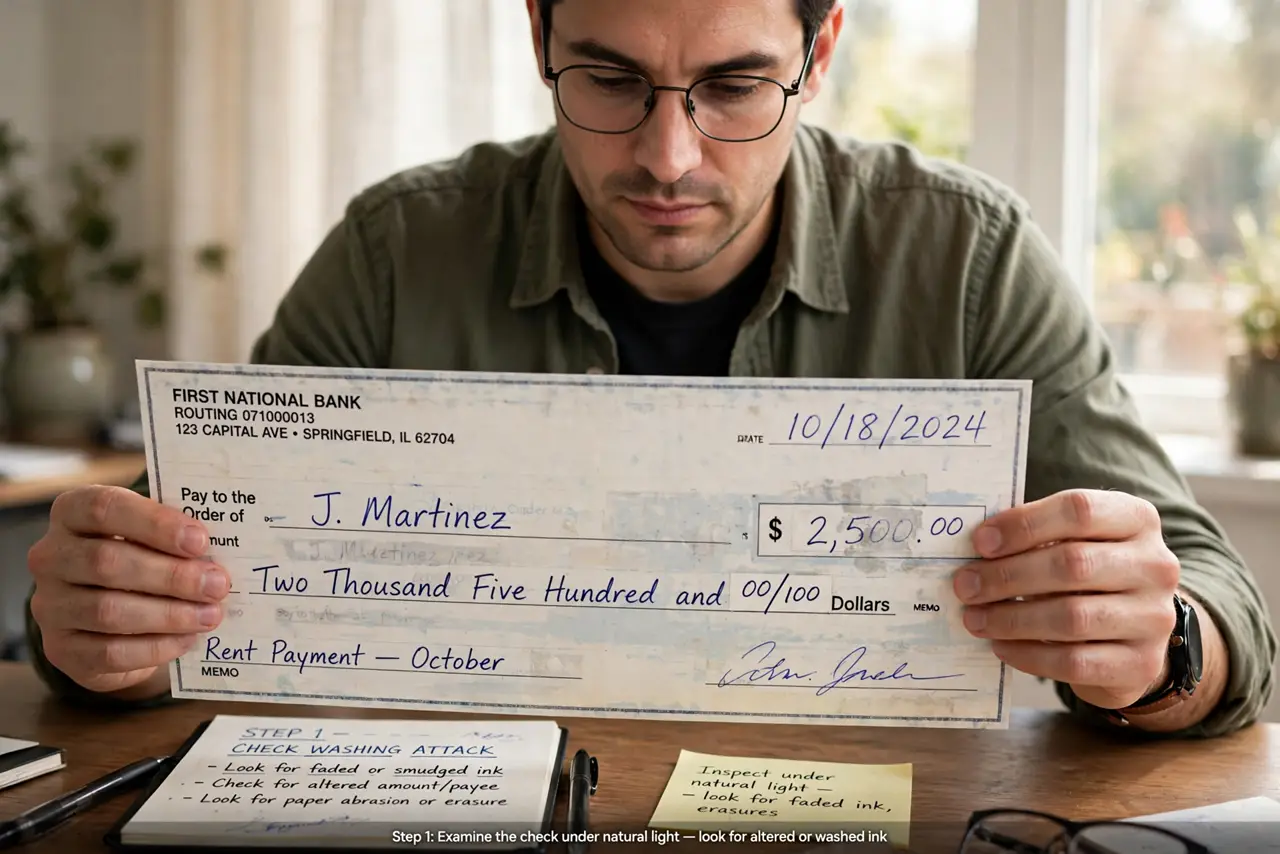
- Understand the attack. A check is stolen from a mailbox or the mail stream, then soaked in chemicals that lift the ink — everything except the signature. The thief rewrites the payee and amount, and the bank sees your genuine signature on a fraudulent check.
- Stop using your home mailbox for outgoing checks. The blue collection box and your curbside mailbox are the top theft points. Take checks inside the post office instead — it removes the easiest interception step entirely. Watch for the related fake check scams too.
- Write checks with gel ink. Standard ballpoint ink washes off easily; gel ink (like Uni-ball 207) soaks into the paper fibers and resists chemical removal. It is a two-dollar defense that actually works.
- Move bills to electronic payment. Every bill you pay online is a check that cannot be washed. Bank bill-pay, autopay, and card payments eliminate the risk completely — prioritize the checks you mail most often.
- Monitor your account after mailing. Check your bank activity a few days after any mailed check clears. Altered checks often clear for the wrong amount — catching it fast is what gets your money back.
- Report tampering immediately. If a check clears for a wrong amount or payee, call your bank at once and file a report. Time matters: the longer you wait, the harder recovery gets.
What NOT to do
- Do not leave outgoing mail in your mailbox overnight. The flag up is a signal to thieves as well as to the carrier.
- Do not write checks in erasable or standard ballpoint ink. If it wipes off paper easily, it washes off easily too.
- Do not assume the bank will catch it. Altered checks with genuine signatures pass automated processing routinely — you are the detection system.
- Do not mail checks with visible windows showing amounts. Envelopes that reveal it is a check make targeting trivial.
Frequently asked questions
I mailed a check and the wrong amount cleared. What now?
Call your bank immediately to dispute it as altered, then file a police report. Banks generally restore funds for reported check fraud, but speed helps enormously.
Are money orders safer than checks?
Somewhat — they have less of your account information printed on them. But they can be altered too; electronic payment remains the safest option.
Can I still use checks safely at all?
Yes, with precautions: gel ink, hand-deliver to the post office, and monitor clearing. The risk is in the mailing, not the check itself.