Debit vs Credit Online? Safer Pick
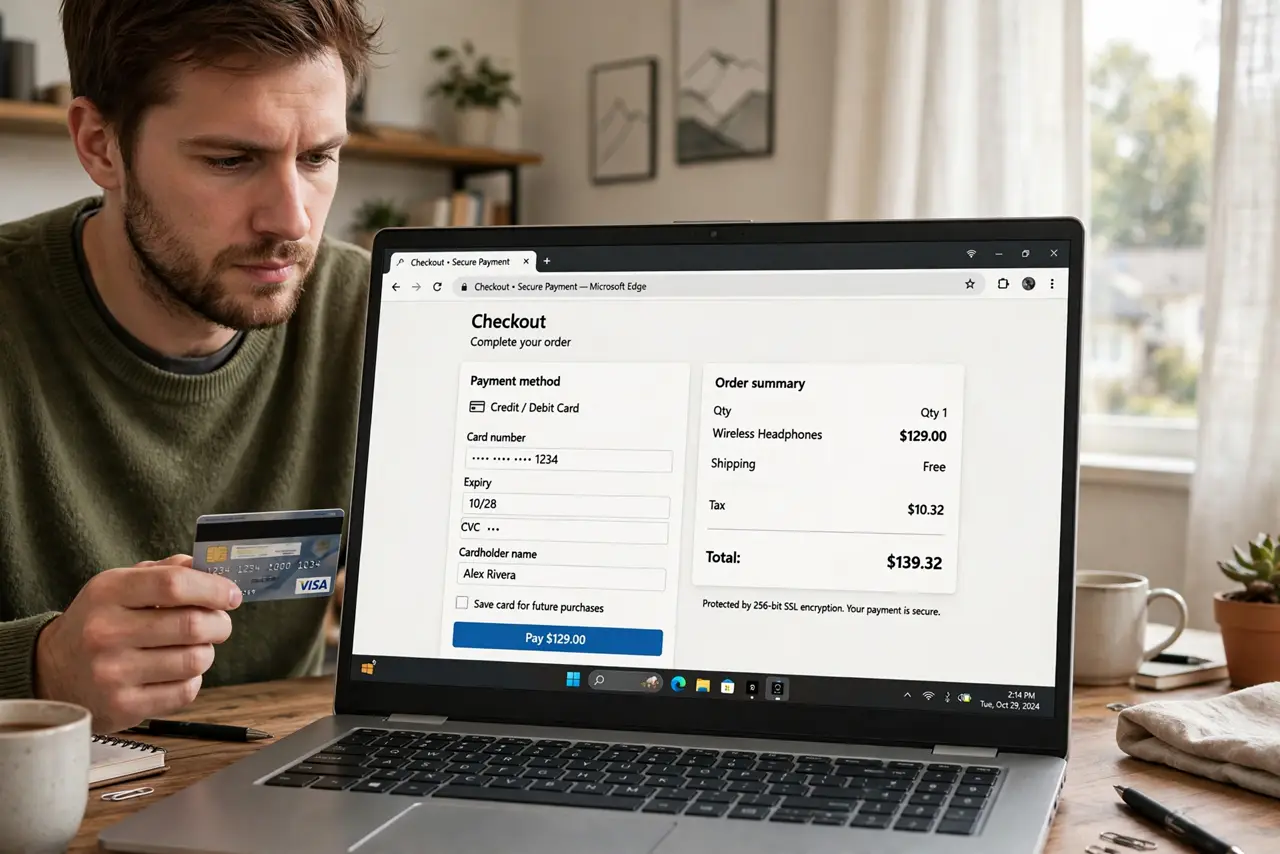
They look identical at checkout, but a debit card and a credit card offer wildly different protection when fraud strikes. With credit, the thief spends the bank's money while you dispute; with debit, the thief spends your money and you wait to get it back. For online shopping, the safer pick is clear — and the reasons are legal, not just practical.
TL;DR / Quick Fix
Quick fix: use a credit card — never debit — for online purchases. Fraud on a credit card is the bank's money at risk with strong legal protections; fraud on debit drains your actual account while you fight to recover it. Keep debit for ATMs and in-person needs.
Follow these steps
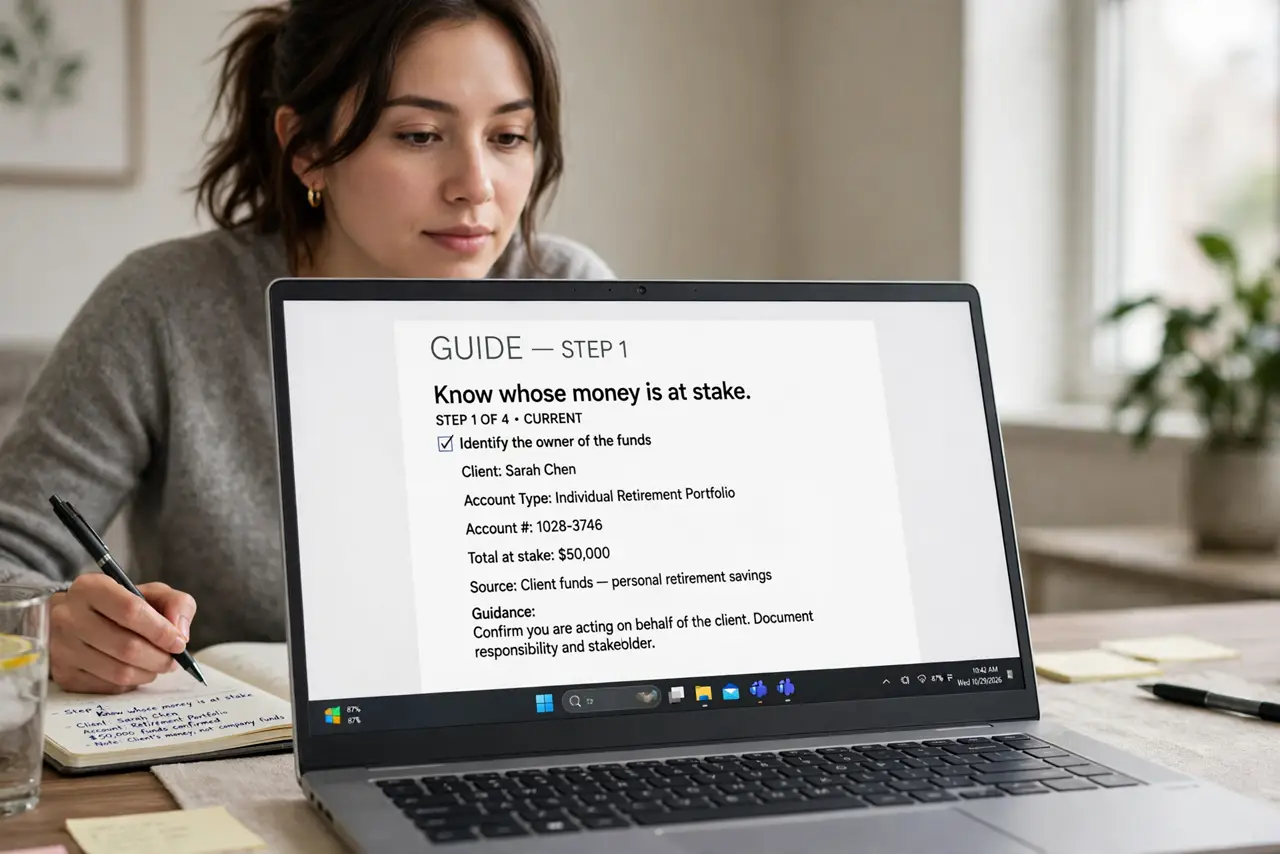
- Know whose money is at stake. Credit fraud spends the issuer's money — your cash stays put during the dispute. Debit fraud empties your checking account first, and you live without that money until the bank returns it.
- Learn the legal gap. Credit cards carry strong federal fraud liability limits; debit protections are weaker and time-sensitive — report debit fraud late and your liability climbs steeply.
- Use credit for every online purchase. Online is where card numbers get stolen: breaches, phishing, shady stores. Make sure the number at risk is always the credit one — or better, a virtual card number.
- Keep debit for cash access. The debit card's job is ATMs and places that only take debit. It does not need to touch the internet at all.
- Report fraud fast either way. Speed matters most with debit — the liability clock starts at discovery. With credit, fast reporting still gets the charge reversed with minimal hassle.
- Consider the credit-building bonus. Responsible credit use — paid off monthly — builds your credit history while protecting purchases. Debit builds nothing, protects less, and risks more.
What NOT to do
- Do not use debit for online shopping 'to avoid debt.' Pay the credit card off monthly and you get the protection without the interest — fear of credit is costing you safety.
- Do not link your main checking account to shopping sites. If you must use debit anywhere, use a separate account holding only spending money.
- Do not assume your bank treats both equally. Policies vary, but the legal floor for credit protection is simply higher — read your own card's terms.
- Do not ignore small mystery charges on either card. Test charges precede big fraud; report them the day you spot them.
Frequently asked questions
What if I don't have a credit card?
Use a prepaid card loaded with only what you need, or a virtual number from a debit-adjacent service. Both cap the damage far better than raw debit.
Isn't credit riskier for overspending?
Only if you carry a balance. Treat the credit card like debit — spend only what is in checking, pay in full monthly — and the risk vanishes while the protection stays.
Do stores charge extra for credit?
Some small merchants add a surcharge, but most do not. Even where they do, a small fee can be worth the fraud protection on a large purchase.