Marketplace Scams? Common Ones
The price is perfect, the seller is friendly, and the deal falls apart the moment money moves. Marketplace scams — on Facebook Marketplace, Craigslist, and similar sites — follow a handful of scripts: fake payments, overpayment refunds, and items that do not exist. Learn the scripts and the deal stays safe.
TL;DR / Quick Fix
Quick fix: the classic marketplace scams are fake payment screenshots, overpayment refunds, and sellers who only ship after you pay with gift cards. Meet in person in a public place, pay cash or in-app on pickup, and never pay before you see the item.
Follow these steps
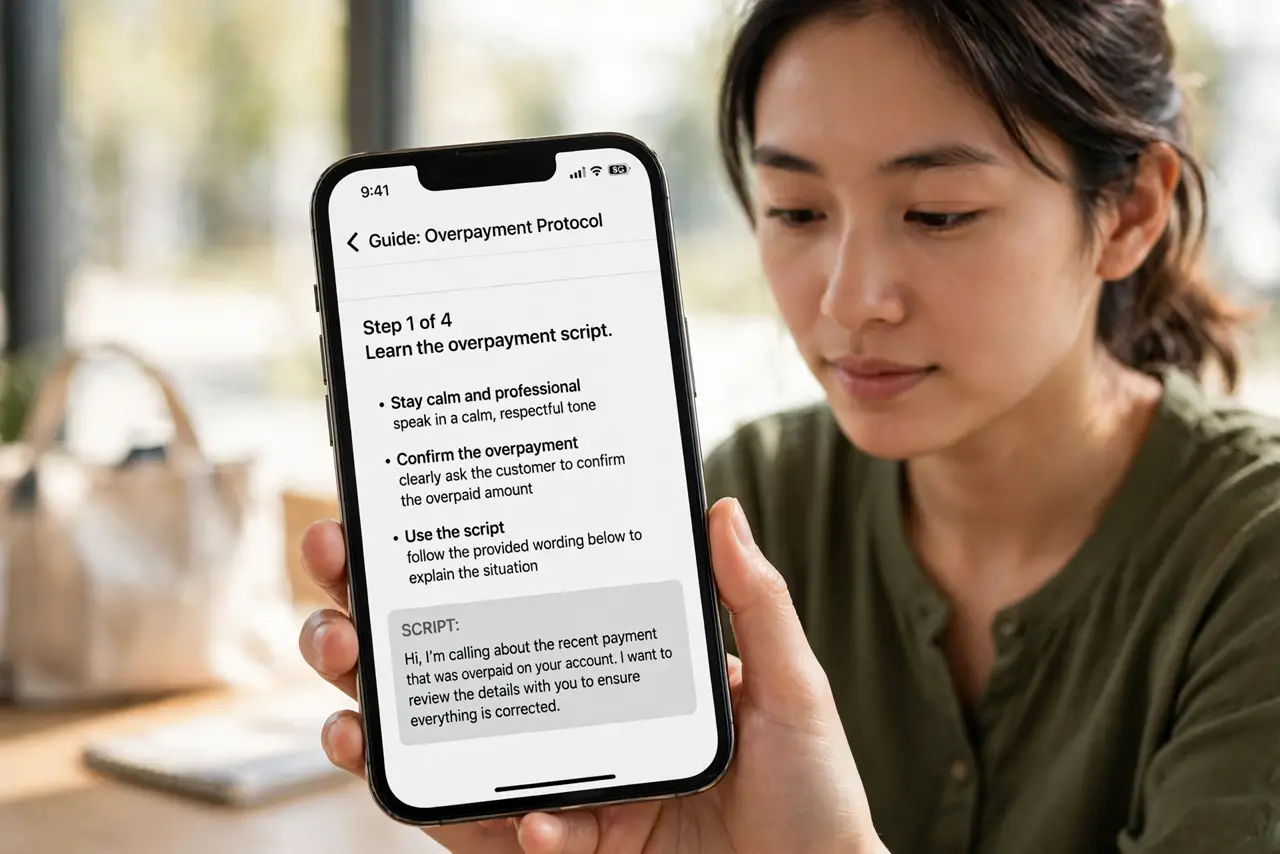
- Learn the overpayment script. The buyer sends too much by fake check and asks you to refund the difference. The check bounces weeks later; your refund does not. Never accept overpayment, and never refund the difference.
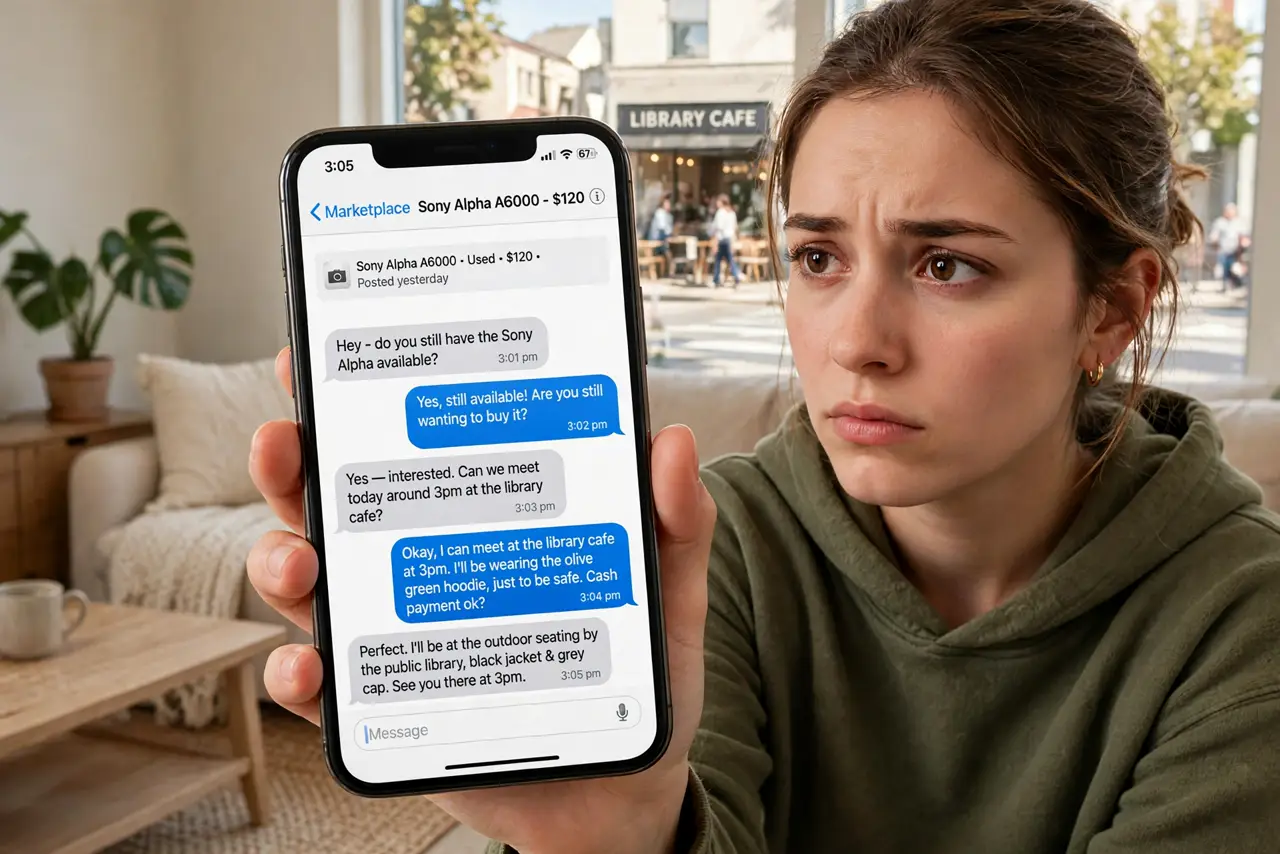
- Insist on in-person, public meetings. Police station parking lots and busy cafes are standard safe spots. A seller who refuses to meet in person, or only ships, is waving the biggest red flag there is.
- Never pay before seeing the item. Gift cards, wire transfers, and payment apps sent in advance are gone forever. Cash on pickup — after you have inspected the item — is the safe default.
- Distrust payment screenshots. Screenshots of payments are faked in seconds. Only trust your own banking or payment app showing the money actually arrived — and remember some transfers can still be reversed if fraudulent.
- Watch for the fake cashier's check. Cashier's checks feel official, which is why scammers love them — see how to spot a fake. Wait for the check to fully clear, not just appear, before handing over anything.
- Keep chat on the platform. Scammers push you to text or email to dodge the marketplace's fraud detection. Staying in the platform's chat keeps a record and keeps their automated warnings working for you.
What NOT to do
- Do not accept checks, money orders, or certified payments from strangers. They are the easiest instruments to fake and the slowest to bounce.
- Do not share verification codes sent to your phone. Being asked for a code to prove you are real hands them your account, not your trustworthiness.
- Do not meet at your home or theirs for a first deal. Public, daylight, and ideally with someone else along.
- Do not let urgency rush you. Being told someone else is coming in an hour is pressure by design — good deals survive a night of thought.
Frequently asked questions
Is Facebook Marketplace itself safe?
The platform is fine; the strangers are the variable. Its purchase protection only covers eligible shipped orders — local cash deals are on you to verify in person.
The buyer wants my email for payment — normal?
No. Payment apps need a username or phone number, not email logins. Requests for email addresses or verify-through-this-link are phishing wearing a buyer costume.
What if I already sent money to a scammer?
Report to the platform, your bank, and the police immediately. Payment-app transfers are hard to reverse, but quick reports occasionally freeze the scammer's account.