Money Mule? Don't Be One
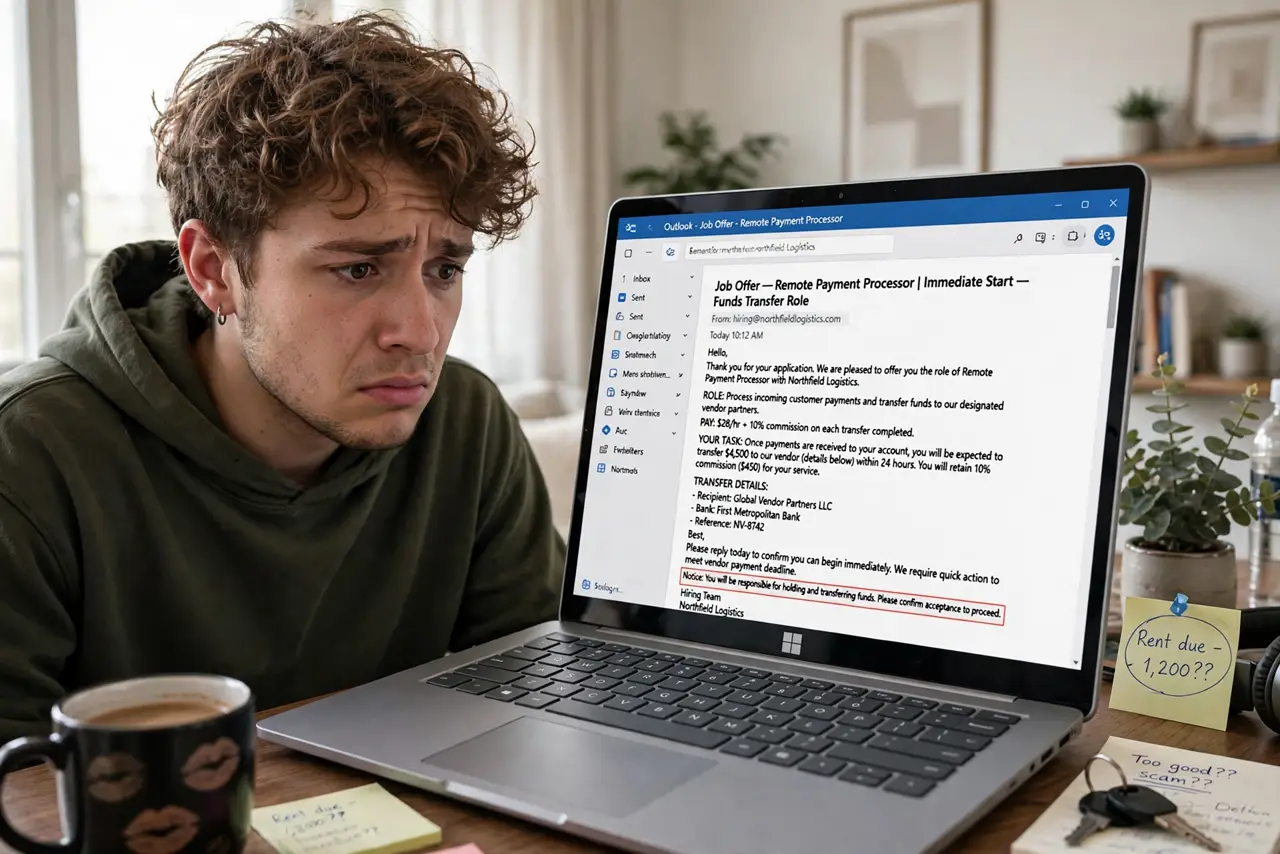
A 'job' that pays you to receive money and forward it elsewhere — keeping a cut — sounds like easy income. It is money laundering. Criminals need ordinary accounts to move stolen funds, and the mule is the one holding the bag when law enforcement follows the trail. The pay is real; the prison risk is realer.
TL;DR / Quick Fix
Quick fix: never take a job that has you receiving and forwarding money. That is money laundering, and 'I didn't know' rarely protects you. If you are in one, stop immediately, do not spend the funds, and contact law enforcement. Legitimate employers never route business payments through personal accounts.
Follow these steps
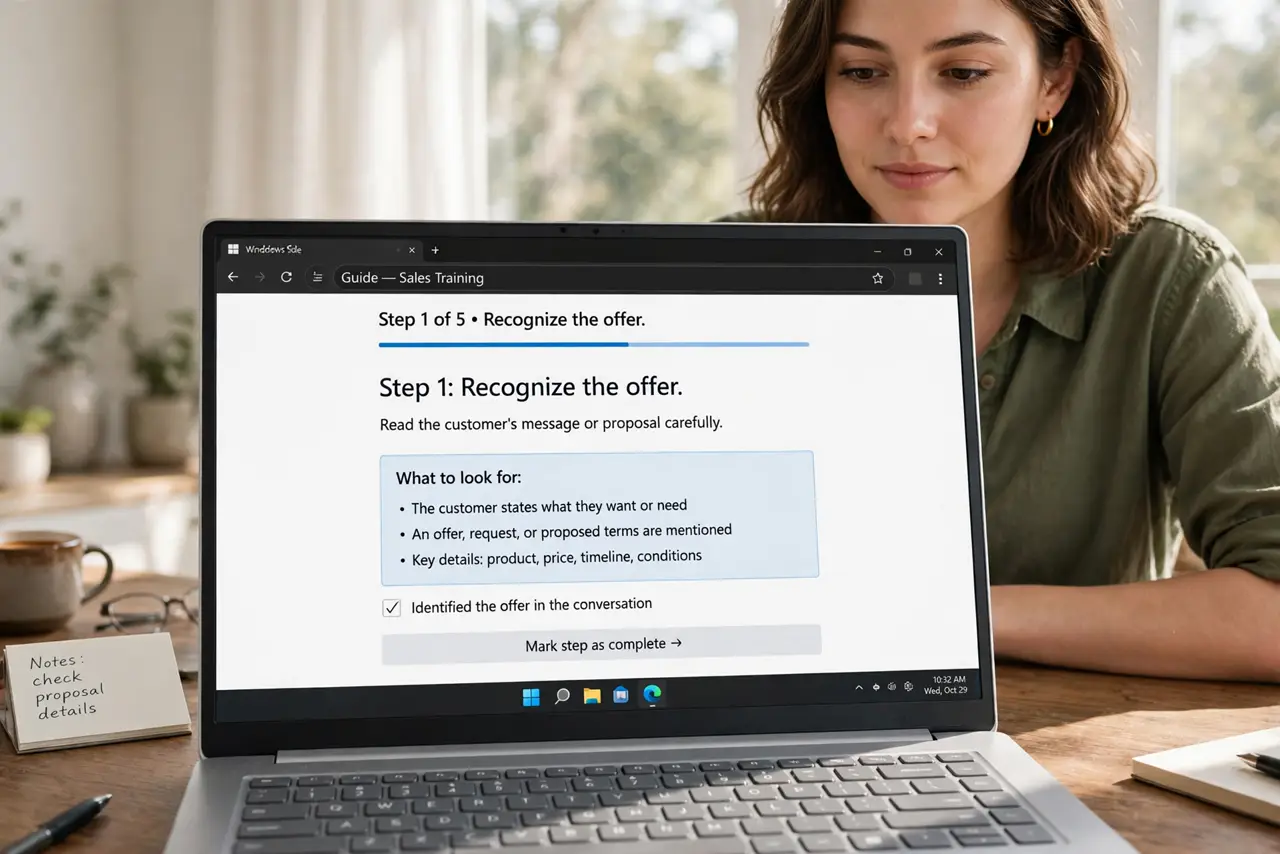
- Recognize the offer. Work-from-home ads, dating-site 'partners,' or social messages offering pay to move money through your account. The job title varies; the task never does: receive, forward, keep a cut.
- Understand the crime. The funds are stolen — from fraud, scams, or hacks. Moving them makes you the laundering layer. See the reshipping twin for the package version of the same scheme.
- Know that ignorance barely protects you. Prosecutors hear 'I didn't know' in every mule case. Courts expect adults to recognize that strangers do not pay you to move their money for no reason.
- Stop and freeze. Do not forward the next transfer. Do not spend what arrived — it is not yours, and spending stolen funds compounds the offense.
- Report it. Contact local law enforcement and your bank's fraud team with the recruiter's details and transaction records. Prompt self-reporting is the strongest mitigator you have.
- Expect account consequences. Banks close mule accounts and may report you to fraud databases, complicating future banking. Cooperating early limits the blast radius.
What NOT to do
- Do not accept 'payment processing' or 'financial agent' roles from strangers. Those titles are laundering with a business card.
- Do not forward money to 'prove' the job is real. Every transfer is a separate criminal act, real job or not.
- Do not let a romantic partner recruit you into this. Romance-scam mules are common — affection does not legalize laundering.
- Do not confuse this with legitimate payment jobs. Real employers pay you from company accounts; they never route through yours.
Frequently asked questions
What is a money mule?
Someone who receives illicit funds and forwards them, keeping a cut — usually recruited through fake jobs or romance scams. Mules provide the layering that laundering needs.
Can I really face charges if I didn't know?
Yes. Unwitting mules have been charged; 'I didn't know' is a defense of limited strength. Stopping and reporting immediately is what actually helps.
The money is already in my account — what now?
Do not touch it. Call your bank's fraud team and law enforcement, explain the situation, and follow their instructions exactly.