Rental Application Fee? Verify First
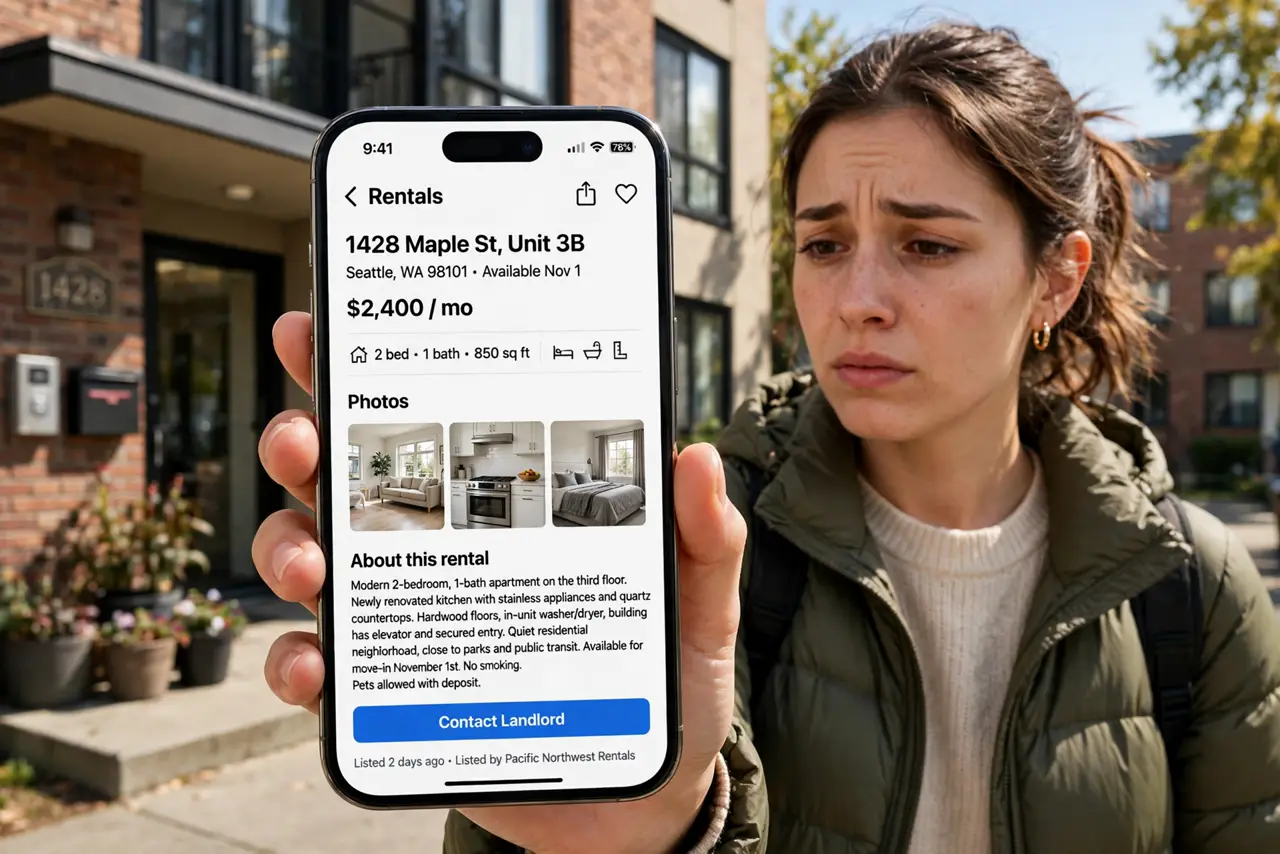
The apartment is perfect, the rent is suspiciously low, and the landlord needs a $50 application fee before showing it. Sometimes that fee is legitimate — landlords do run background and credit checks. But fake listings harvest application fees from dozens of hopeful renters for homes that are not actually for rent. Verify before you pay.
TL;DR / Quick Fix
Quick fix: never pay a rental application fee before seeing the property in person and verifying the lister controls it. Real landlords show the unit first and give receipts; scammers pressure you to pay sight unseen. Reverse-image-search the listing photos — stolen photos are the classic tell.
Follow these steps
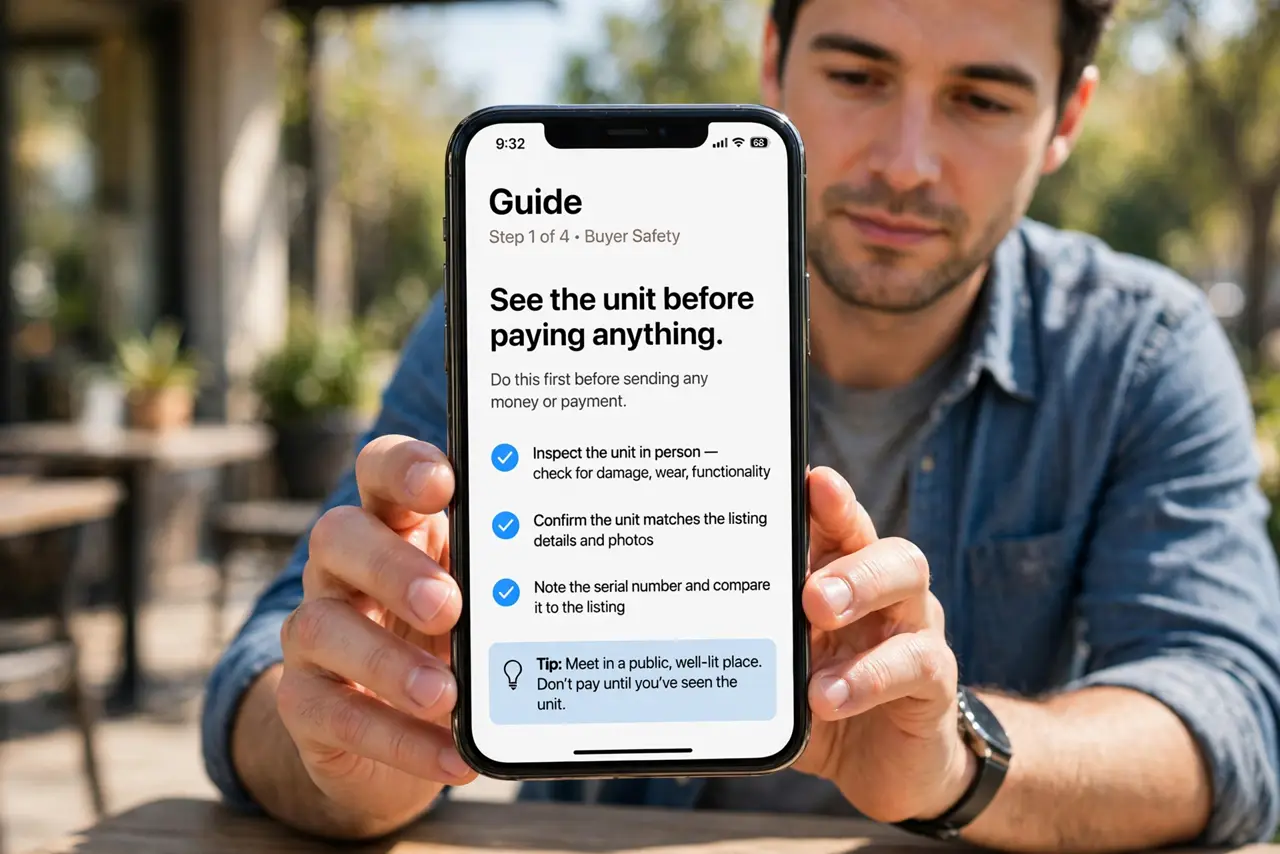
- See the unit before paying anything. No legitimate landlord collects fees for a property you have not walked through. Being told to just apply first because they are too busy is the scammer's core line — treat it as disqualifying.
- Reverse-image-search the photos. Save a listing photo and run it through a reverse image search. If the same photos advertise properties in other cities, the listing is stolen — see how to reverse-image-search a listing.
- Verify the lister owns or manages the place. Ask for ID and proof of ownership or management. Cross-check the name against property records or the management company's official site — not a link the lister sends you.
- Be suspicious of below-market rent. A two-bedroom at half the neighborhood price is bait, not luck. Scammers price low to maximize applications — compare with similar listings in the area first.
- Never pay by gift card, wire, or cash app. Legitimate application fees go by check, card, or established payment with a receipt. Untraceable payment demands are a confession of fraud.
- Get a receipt and a written fee policy. Real landlords hand you a receipt stating what the fee covers and whether it is refundable. No paperwork, no payment — and in some places, fee caps and refund rules are law.
What NOT to do
- Do not apply for a rental you have not seen in person or via a live video walkthrough you control. Photos prove nothing.
- Do not send ID documents before verifying the lister. Your driver's license in a scammer's hands becomes identity theft.
- Do not wire a deposit to hold the unit. Holding deposits to strangers vanish; real holds happen after a signed lease.
- Do not skip the lease reading. Even with a real landlord, the lease — not the listing — is what you are agreeing to.
Frequently asked questions
Are application fees even legal?
Usually yes, within limits — many states cap them or require refunds if no check is run. Look up your local rules before paying; scammers count on you not knowing them.
The landlord is out of town and can't show it — legit?
Almost never. This is one of the oldest rental scam scripts. A real out-of-town owner uses a local agent or property manager, not application fees by wire.
I paid and now they're gone — now what?
Report to the listing platform, local police, and your bank immediately. Save every message and receipt — recovery is difficult, but reports help shut the scammer down.