Virtual Card Numbers? How They Help
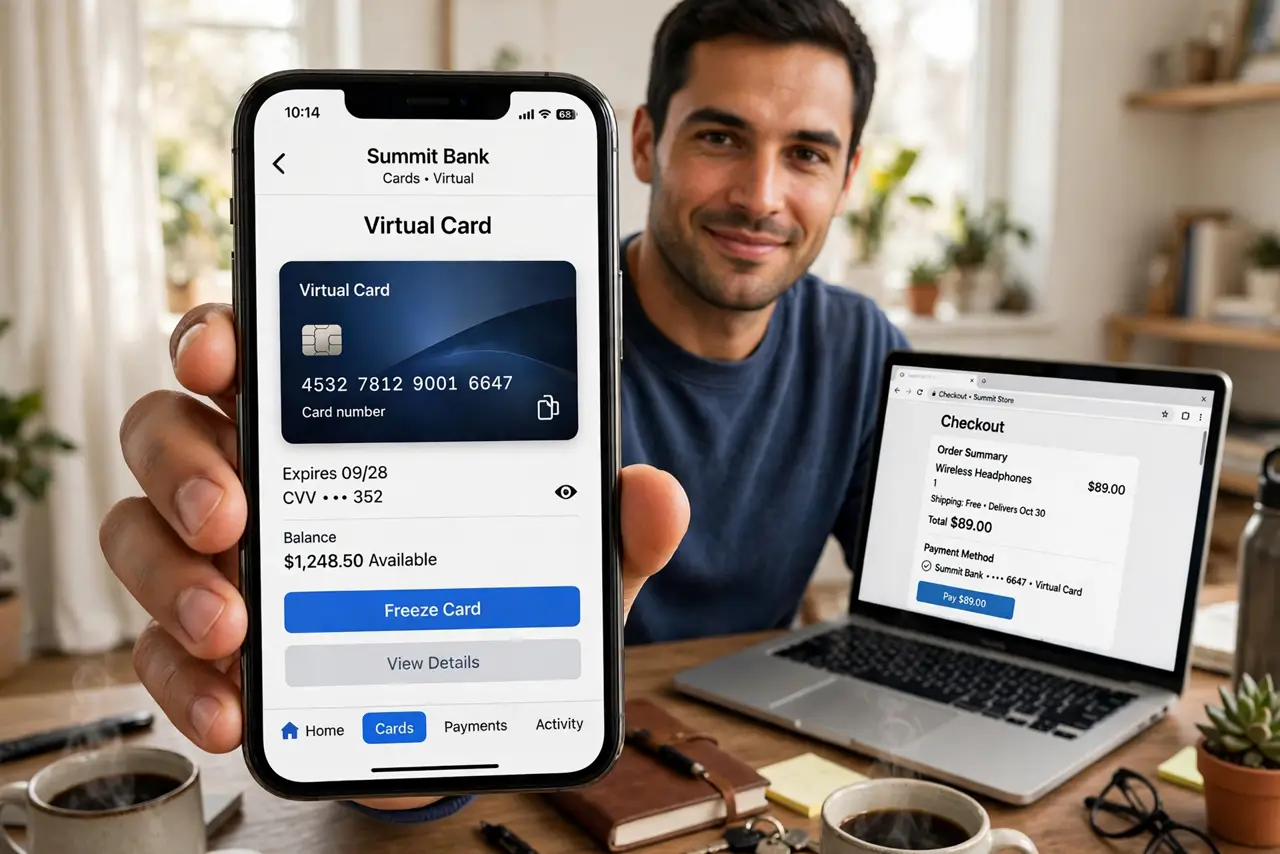
Every online store you hand your real card number to is a breach waiting to notify you. Virtual card numbers are single-use or merchant-locked card numbers linked to your real account — the store charges the virtual number, and if it leaks, you cancel just that number instead of replacing your whole card. It is the payment equivalent of an email alias.
TL;DR / Quick Fix
Quick fix: a virtual card number is a disposable number linked to your real card — use one per online store. If the store is breached or bills you wrongly, freeze just that number instead of replacing your physical card. Most major banks offer them free in their apps.
Follow these steps
- Understand what you are getting. A virtual number looks and spends like your real card, but it is a mask: charges flow to your real account, while the merchant only ever sees the disposable number.
- Generate one per merchant. Use a fresh virtual number for each online store — the same one-alias-per-site logic as email aliases. A breach at one store exposes only its number.
- Set spending caps where offered. Many issuers let you cap a virtual number at an amount or lock it to one merchant. A capped number cannot be drained beyond its limit, even if stolen.
- Use them for trials and subscriptions. Virtual numbers are the perfect free-trial shield: set a low cap, and when the trial ends, the billing attempt simply fails instead of charging you.
- Freeze or delete numbers freely. Done with a store? Delete its number in your banking app. Any future charge attempt bounces — no need to argue with the merchant first.
- Keep your physical card for in-person use. Virtual numbers are for online and phone purchases. Your real card stays in your wallet for chip and tap-to-pay — it never needs to touch a website again.
What NOT to do
- Do not use virtual numbers for things needing the physical card later. Hotel check-ins and car rentals that ask to see the card need the real one.
- Do not forget which number belongs to which subscription. Label them in your banking app, or canceling the wrong number kills a subscription you wanted.
- Do not assume every bank offers them. Availability varies by issuer and country — check your banking app before planning around the feature.
- Do not use them to dodge legitimate debts. Freezing a number stops future charges; it does not erase what you already owe.
Frequently asked questions
Do virtual numbers cost extra?
Usually nothing — most issuers that offer them include the feature free. It costs the bank less than reissuing your card after a breach, so they are happy to provide it.
What if I need a refund to a deleted number?
Refunds typically still route to your underlying account even after the virtual number is deleted. Confirm with your issuer, but this is the standard behavior.
Can I use them for recurring bills?
Yes — that is one of their best uses. A merchant-locked number for each subscription means canceling is as simple as deleting the number.