Spot Zelle Scams
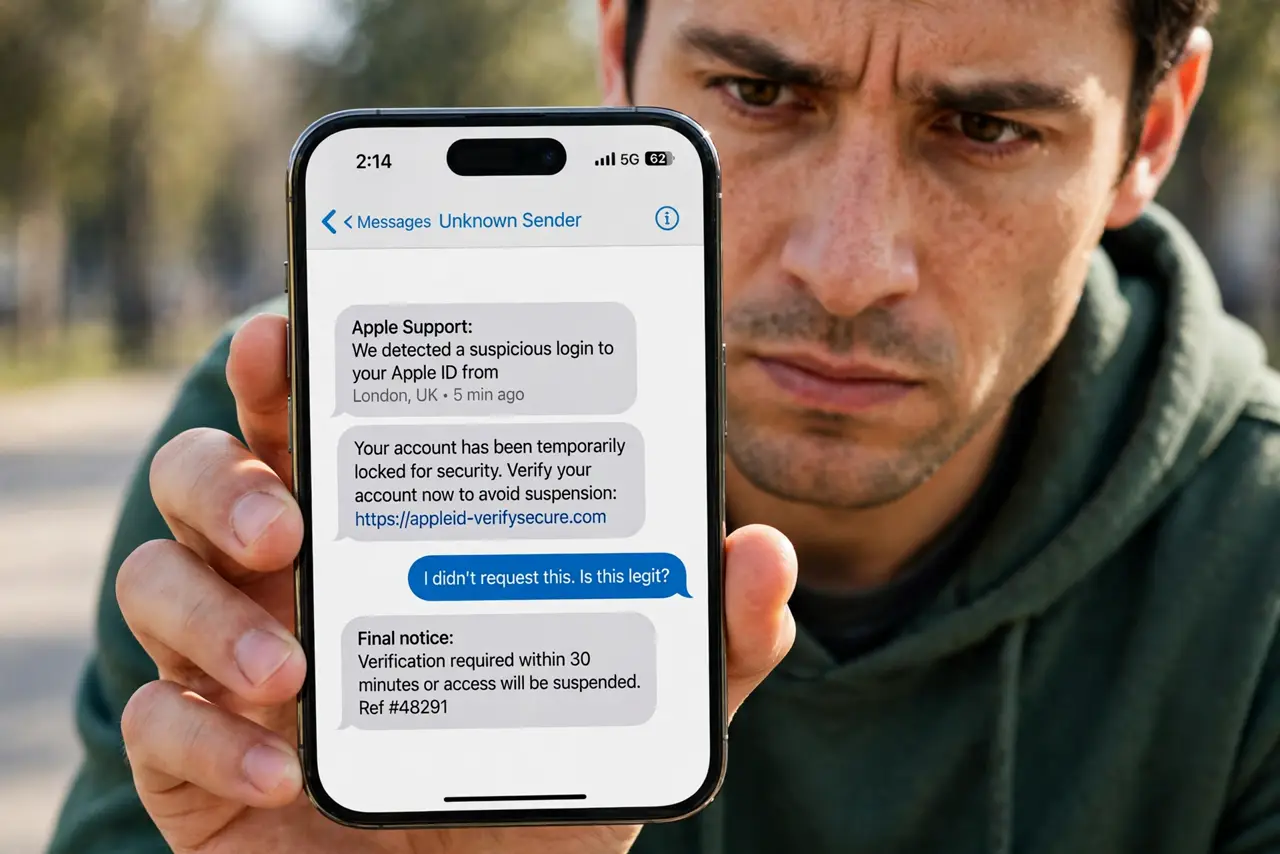
A text arrives that looks like your bank: a warning about a Zelle transfer you never made, urging you to reply. You reply, your phone rings, and a helpful fraud specialist walks you through reversing the charge — which actually sends your money to a scammer. Zelle scams work because Zelle transfers are instant and nearly irreversible. Knowing the script before it reaches you is the entire defense.
TL;DR / Quick Fix
Quick fix: your bank will never ask you to send money to yourself, reverse a charge via Zelle, or read back a verification code. If a Zelle text worries you, hang up and check in your bank's app directly. Never call a number from the text.
Follow these steps
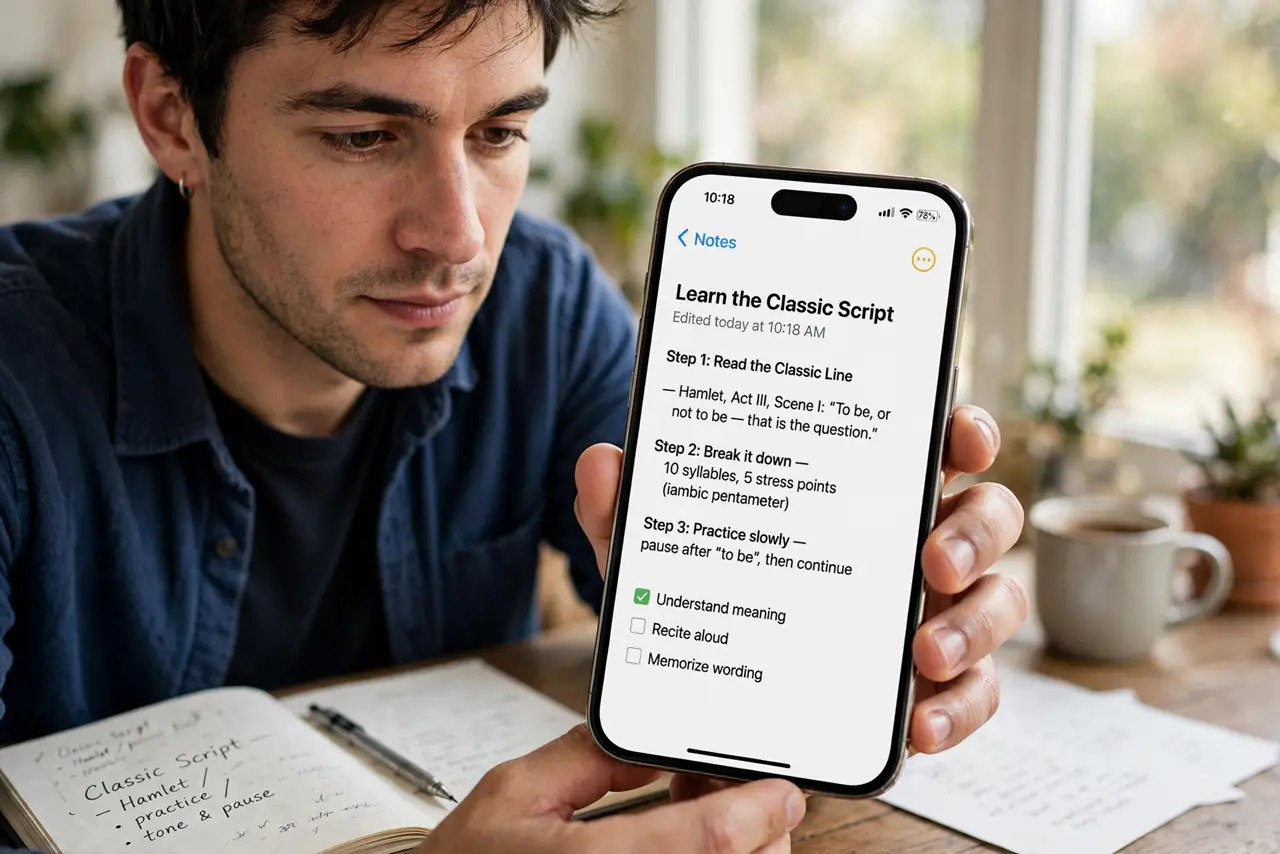
- Learn the classic script. It starts with a fake fraud alert text, then a call from someone posing as bank security. They create urgency — your account is being drained right now — and guide you to protect your money by Zelle-ing it somewhere.
- Spot the reversal trick. The scammer asks you to send money to yourself or a secure holding account to reverse a fraudulent charge. That destination is the scammer. Real banks reverse charges themselves — they never need you to move money.
- Guard verification codes. A code texted to your phone proves you own the account. Reading it to a caller hands them the keys — no legitimate bank employee will ever ask for it. See payment app scam patterns for how this repeats across apps.
- Verify through your own channels. Got a scary text? Close it, open your bank's official app or type the bank's real website yourself, and check for alerts. If the text was real, the alert will be there too.
- Slow down on purpose. Scammers weaponize urgency — act in the next ten minutes. Real fraud departments do not expire. Hang up, breathe, and call the number on the back of your card.
- Report it and warn others. Forward scam texts to 7726 (SPAM), report the number to your bank, and tell family — especially older relatives, who are targeted most.
What NOT to do
- Do not Zelle money to reverse anything. No legitimate process asks the victim to send money to fix fraud.
- Do not trust caller ID. Scammers spoof your bank's real number — the display proves nothing.
- Do not read verification codes to callers. That code is the lock on your account, and you are being asked to hand it over.
- Do not assume Zelle payments can be clawed back. Zelle transfers are like cash — once sent to a scammer, recovery is rare.
Frequently asked questions
Can my bank refund a Zelle scam?
Sometimes, if you report quickly — but Zelle payments you authorized yourself are much harder to recover than card charges. Speed of reporting is everything.
Is Zelle itself unsafe?
Zelle is fine for sending money to people you know and trust. The danger is social engineering — the scam is the caller, not the app.
What if I already sent the money?
Contact your bank immediately, file a report, and report to the FBI's Internet Crime Complaint Center. Then change your banking passwords in case credentials leaked.