Check Washing? Protect Your Mail
Your mailed check arrives — but the payee is now a stranger and the amount tripled. Check washing is old-school fraud with a chemical twist: thieves steal mail, wash the ink off checks, and rewrite them. The defenses are simple habits, and the best one is mailing fewer checks at all.
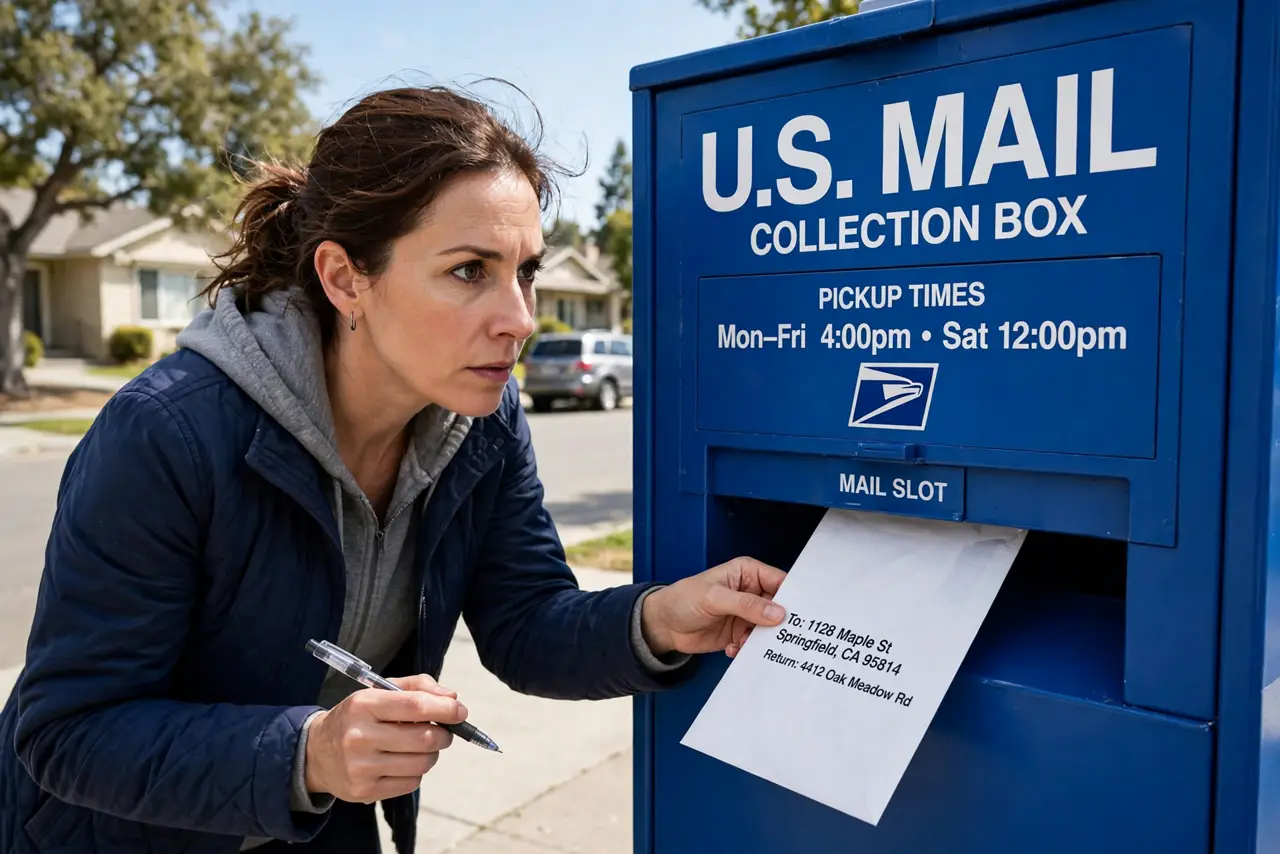
TL;DR / Quick Fix
Check washing means thieves steal mail and chemically erase the ink to rewrite checks to themselves. Prevent it by mailing checks from inside the post office, using gel ink pens, and collecting mail promptly. Better yet, pay electronically. If a check goes missing, alert your bank immediately.
Follow these steps
- Mail checks from inside the post office. Drop envelopes inside the post office, not in curbside boxes — thieves fish outgoing mail from outdoor boxes with simple tools.
- Write checks with gel ink. Gel ink soaks into paper fibers and resists the chemical washes thieves use. Ballpoint ink lifts off easily — upgrade the pen.
- Collect mail promptly. Don't let mail sit overnight in your box. Pick it up the same day, and pause delivery when you travel.
- Switch recurring payments to electronic. Every check you don't mail is a check that can't be washed. Electronic payments leave a traceable trail thieves can't rewrite.
- Watch for a missing check. If a mailed check never arrives, call the payee and your bank immediately — see the overpayment script for how stolen checks get reused.
- Report mail theft fast. Report to the USPS Postal Inspection Service and your bank. Quick reports freeze the altered check before it clears.
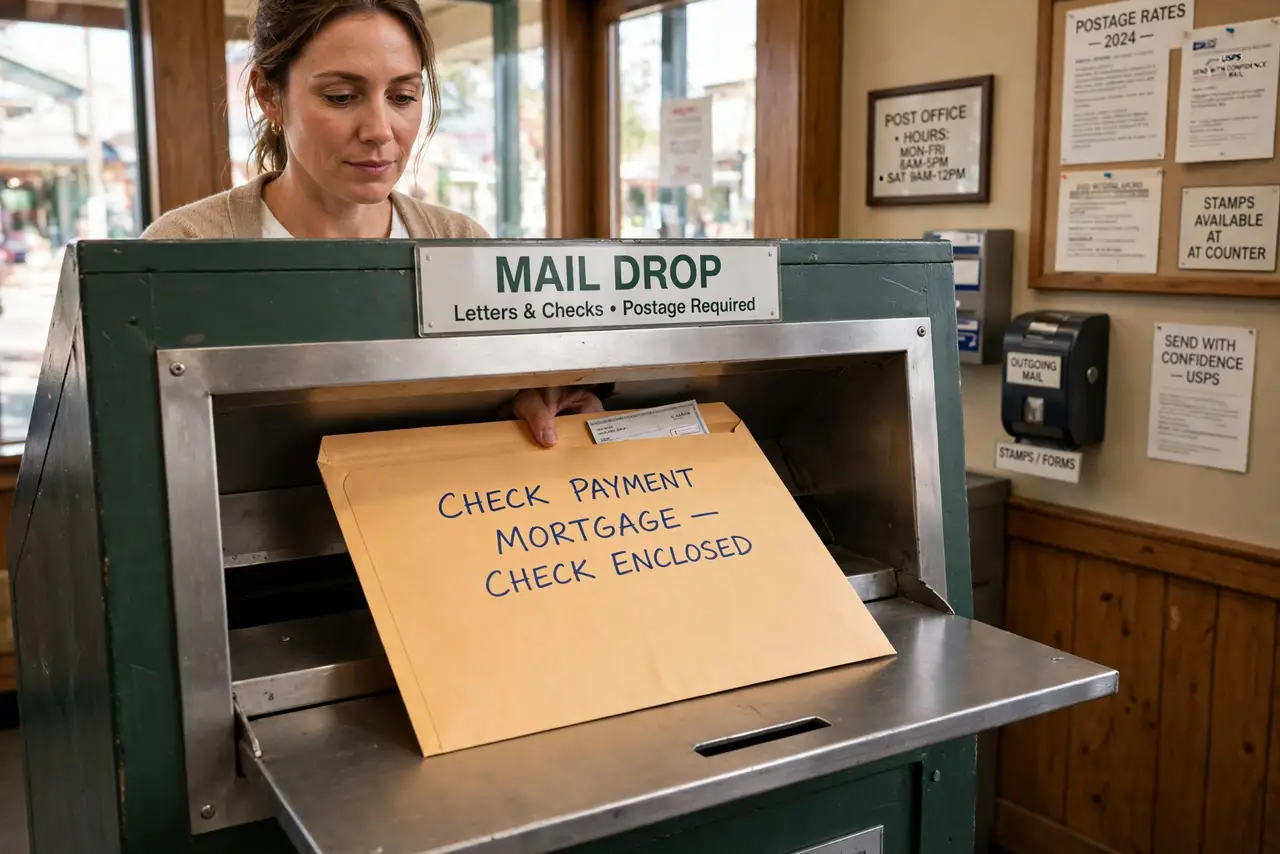
What NOT to do
- Do not mail checks in envelopes with visible windows showing the check. Window envelopes advertise exactly what's inside to mail thieves.
- Do not leave the flag up on your mailbox with checks inside. The raised flag tells everyone — including thieves — that outgoing mail waits.
- Do not use erasable or light-blue ballpoint ink. It washes off with household chemicals; that's the entire technique.
- Do not ignore one missing check as a postal delay. A single vanished check is the classic first sign of washing — act on it.
Frequently asked questions
What exactly is check washing?
Thieves steal a mailed check and use chemicals to erase the ink — keeping your signature — then rewrite the payee and amount. The altered check looks legitimate to banks.
Are money orders safer than checks?
Somewhat — they're harder to alter — but they can still be stolen. Electronic payment remains the safest option.
The bank cashed my washed check — am I liable?
Usually not, if you report promptly. Banks generally absorb forged-check losses, but fast reporting is what makes that outcome likely.