Register a Recreational Drone
That new drone is exciting — and in many countries, illegal to fly unregistered once it passes a certain weight. Registration is usually a short online form, a small fee, and a number you stick on the aircraft. The rules vary by country and weight class, so the first step is always checking your own aviation authority, not a forum.
TL;DR / Quick Fix
Most countries require drones over a certain weight (often around 250 grams) to be registered with the aviation authority — usually a short online form, a small fee, and a number displayed on the drone. Check your authority's site for the threshold, complete any safety test, and label the aircraft.
Follow these steps
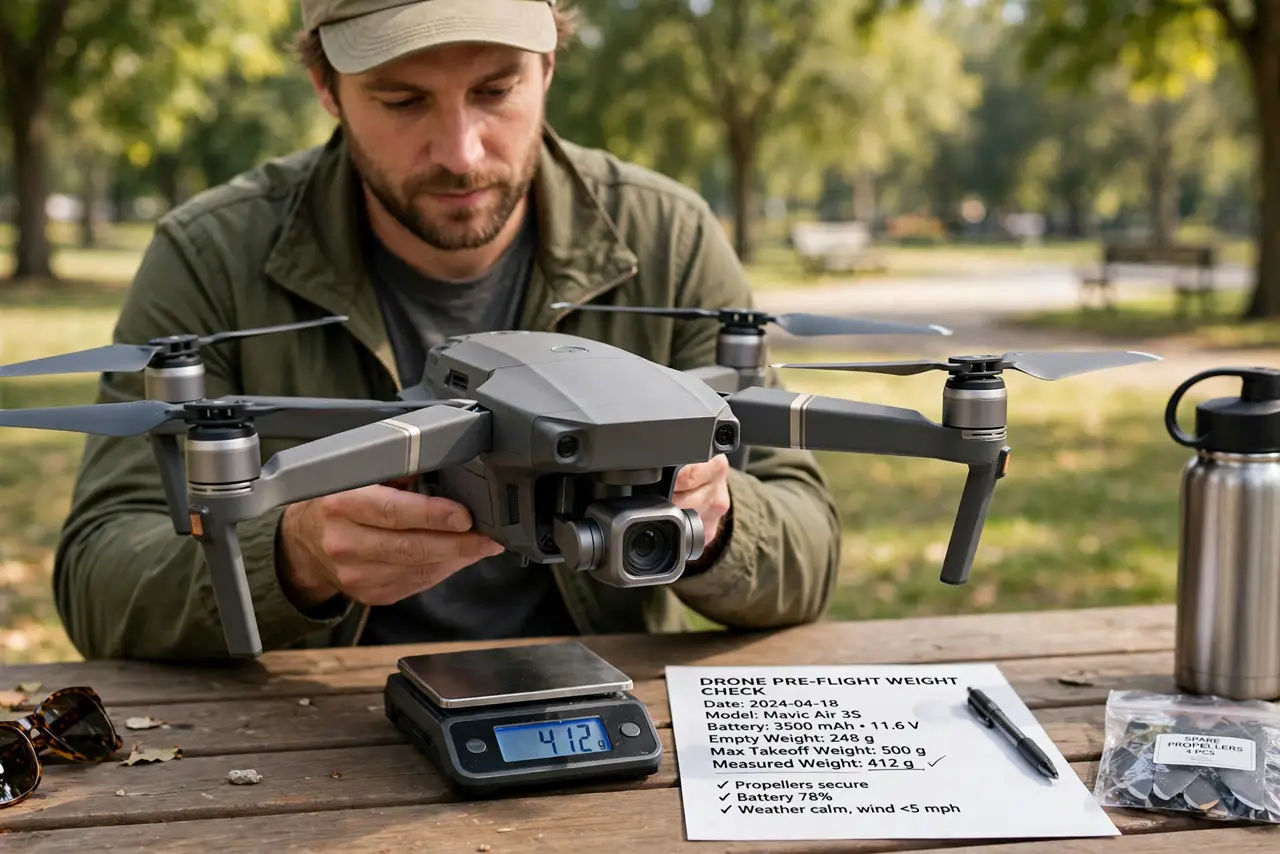
- Weigh your drone or check its specs. Find the takeoff weight in the manual or on the maker's site. The common threshold is around 250 grams — above it, registration is typically required; below it, often exempt but not always.
- Find your country's aviation authority site. Search for your national aviation authority plus 'drone registration' and use the official government site. Forums and resellers summarize rules inaccurately — the authority is the source of truth.
- Complete the registration form. It is usually a short online form: your details, the drone's make and model, and a small fee. You receive a registration number, sometimes instantly.
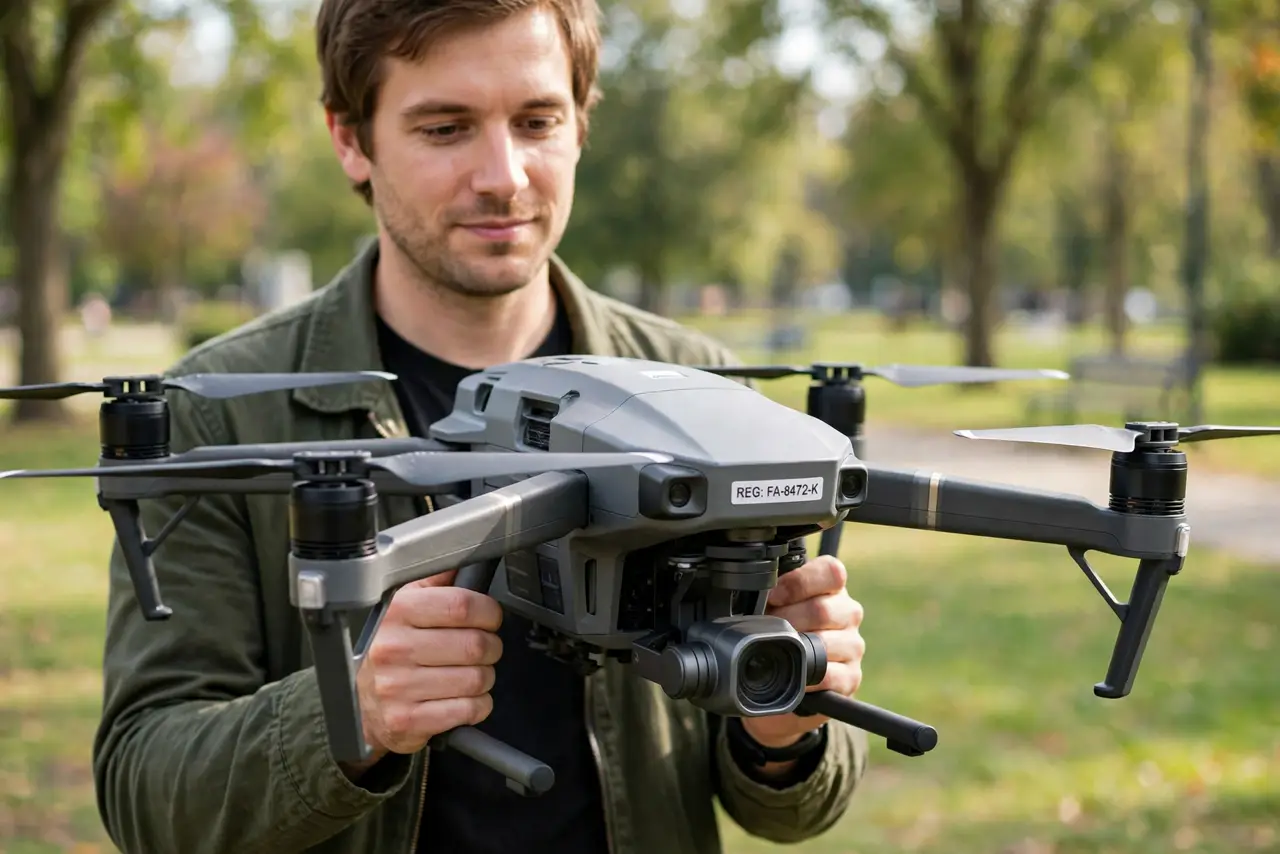
- Label the drone with the number. Write or stick the registration number on the aircraft where it is visible. A label maker or permanent marker works — this is a legal requirement in most registered regimes.
- Take any required safety test. Some countries require a free basic competency test for recreational flyers. It takes under an hour and covers the airspace rules you need anyway.
- Learn the flying rules before launch. Registration is step one; altitude limits, no-fly zones, and line-of-sight rules are step two. Read the authority's recreational flyer rules in full before the first flight.
What NOT to do
- Do not fly unregistered assuming nobody checks. Enforcement happens, especially after incidents — the fine dwarfs the registration fee.
- Do not trust forum summaries of the rules. Regulations change; only your aviation authority's current site is authoritative.
- Do not skip labeling the aircraft. An unmarked registered drone still violates the marking requirement in most regimes.
- Do not assume a sub-250g drone is rule-free. Weight exemptions usually cover registration only — airspace and safety rules still apply.
Frequently asked questions
How much does registration cost?
Usually a small fee for a multi-year registration — the exact amount varies by country. The authority's site lists it; beware third-party sites charging multiples.
Do I need a license to fly recreationally?
Most countries distinguish registration (the drone) from competency (the pilot). Recreational flying typically needs registration plus a basic test, not a full pilot license.
What about flying abroad with my drone?
Rules differ per country — some require local registration even for visitors. Check the destination authority before packing the drone.