Spot Fake Bank Calls
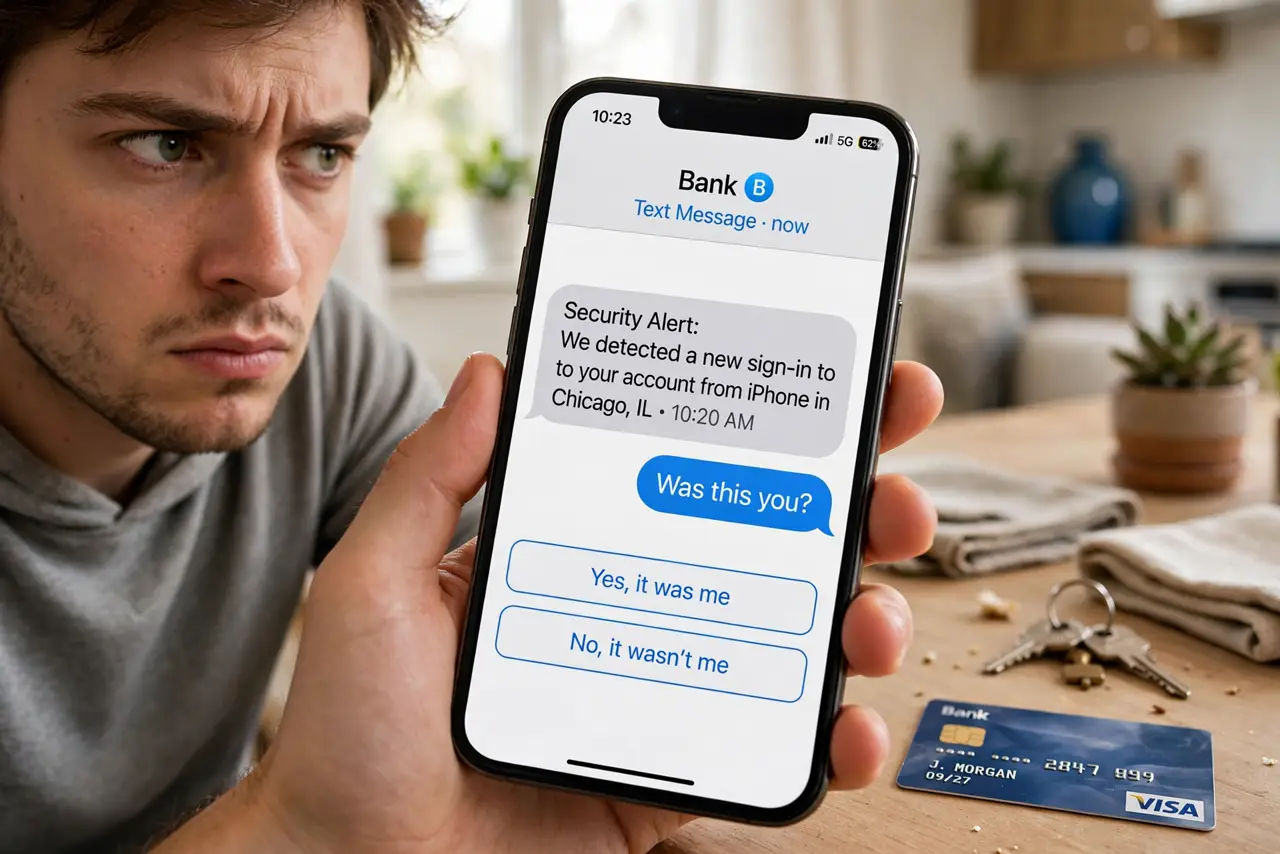
This is the fraud department. We have detected suspicious activity on your account, and we need to verify your identity. The caller sounds professional, knows your name, and creates urgency — but real banks never operate this way. Fake bank calls are the highest-value phone scam because one success drains an account. This guide gives you the exact response, the callback procedure, and the recovery steps. Pair it with the never-share-codes rule.
TL;DR / Quick Fix
Quick fix: hang up on any unexpected 'bank' call — real fraud departments never ask for codes, passwords, or transfers by phone. Call the number on the back of your card yourself. If you shared details, freeze the card and change online banking passwords immediately.
Follow these steps
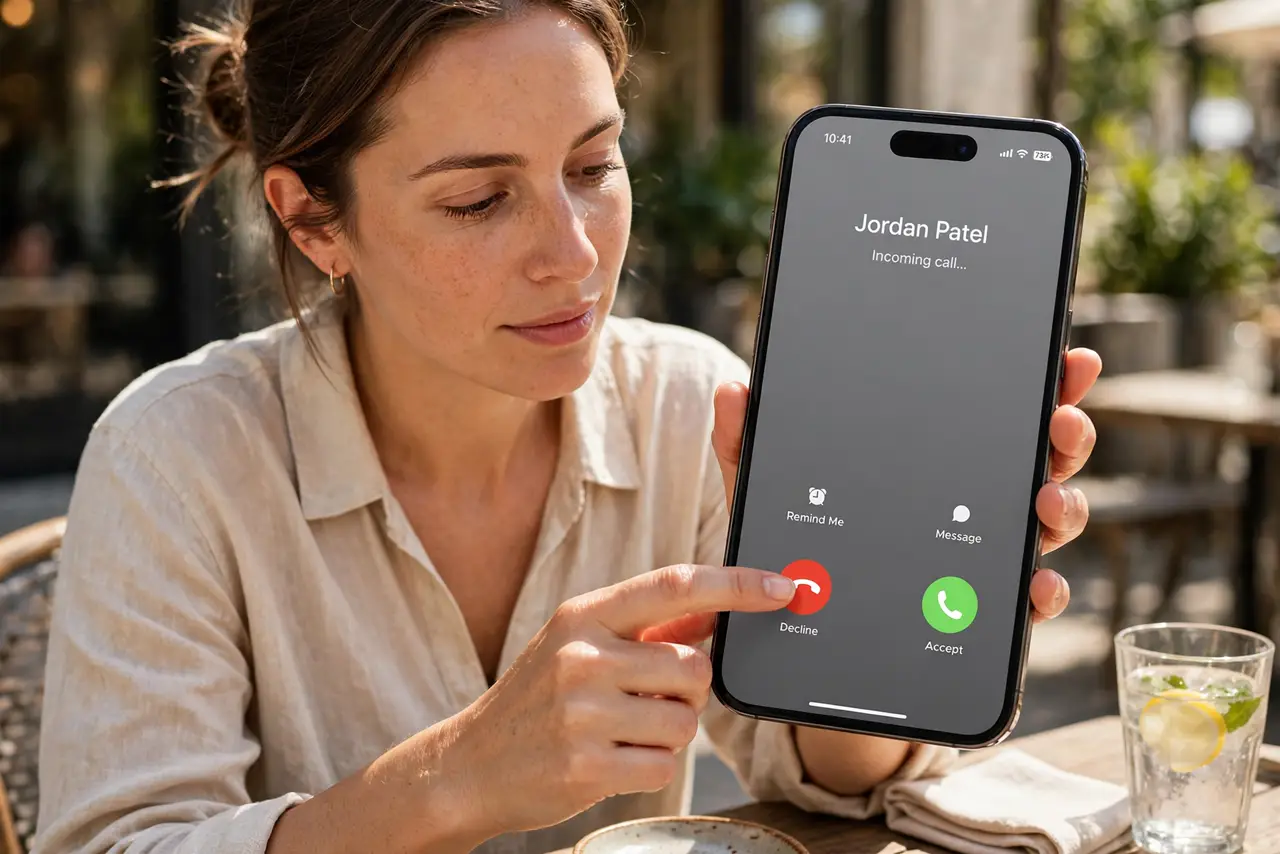
- Hang up without engaging. Do not answer their questions, do not 'verify' anything. A polite 'I will call the bank directly' and a hang-up ends every version of this scam.
- Call the bank yourself. Use the number on the back of your card or in the official app — never a number the caller gives you. If there is real fraud, the real bank will confirm it.
- Never move money on instruction. The advanced version has the 'bank' ask you to transfer money to a 'safe account.' Banks never do this — any such instruction is the scam, full stop.
- Freeze and review if you slipped. If you shared a code or password, freeze the card in the app, change the online banking password, and review recent transactions line by line.
- Report the number. Report to your bank's fraud line and the FTC. Banks track these campaigns; your report helps them warn other customers.
- Set up the real alerts. Enable transaction notifications in your banking app. Real-time alerts mean you spot actual fraud yourself — no caller required.
What NOT to do
- Do not trust the caller ID showing your bank's name. Spoofing is trivial — the display is theater, not authentication.
- Do not 'verify' yourself to the caller. Account numbers, codes, and passwords given to an inbound caller go straight to criminals.
- Do not transfer money to a 'safe account.' There is no such thing in this context — it is the theft itself.
- Do not assume it cannot happen to you. These callers are professionals running scripts refined over thousands of calls — vigilance, not intelligence, is the defense.
Frequently asked questions
What if they knew my balance or recent transactions?
Stolen data from breaches makes them convincing. Knowledge of your account is not proof they are the bank — the callback is the proof.
Will my bank ever call me?
Rarely, and never to demand codes, passwords, or transfers. When in doubt, hang up and call back on the known number.
I installed their 'security app' — now what?
That was remote-access malware. Disconnect from the internet, uninstall it, run a full antivirus scan, and call your bank immediately.