Set a Family Safe Word
AI voice cloning has made the "grandma, it is me, I need money" scam terrifyingly convincing — a few seconds of social media audio is enough to fake a loved one's voice. The low-tech defense that actually works is a family safe word: a secret phrase that proves the caller is really who they claim. This guide shows how to pick one, who needs to know it, and how to use it under pressure without tipping off the scammer. Pair it with the rule to never share verification codes, which scammers request in the same calls.
TL;DR / Quick Fix
Quick fix: agree on a secret safe word with close family — a random phrase like blue lantern — and demand it whenever anyone calls with an urgent money request. A real relative knows it; a scammer with a cloned voice does not. Urgent plus money means ask the word.
Follow these steps
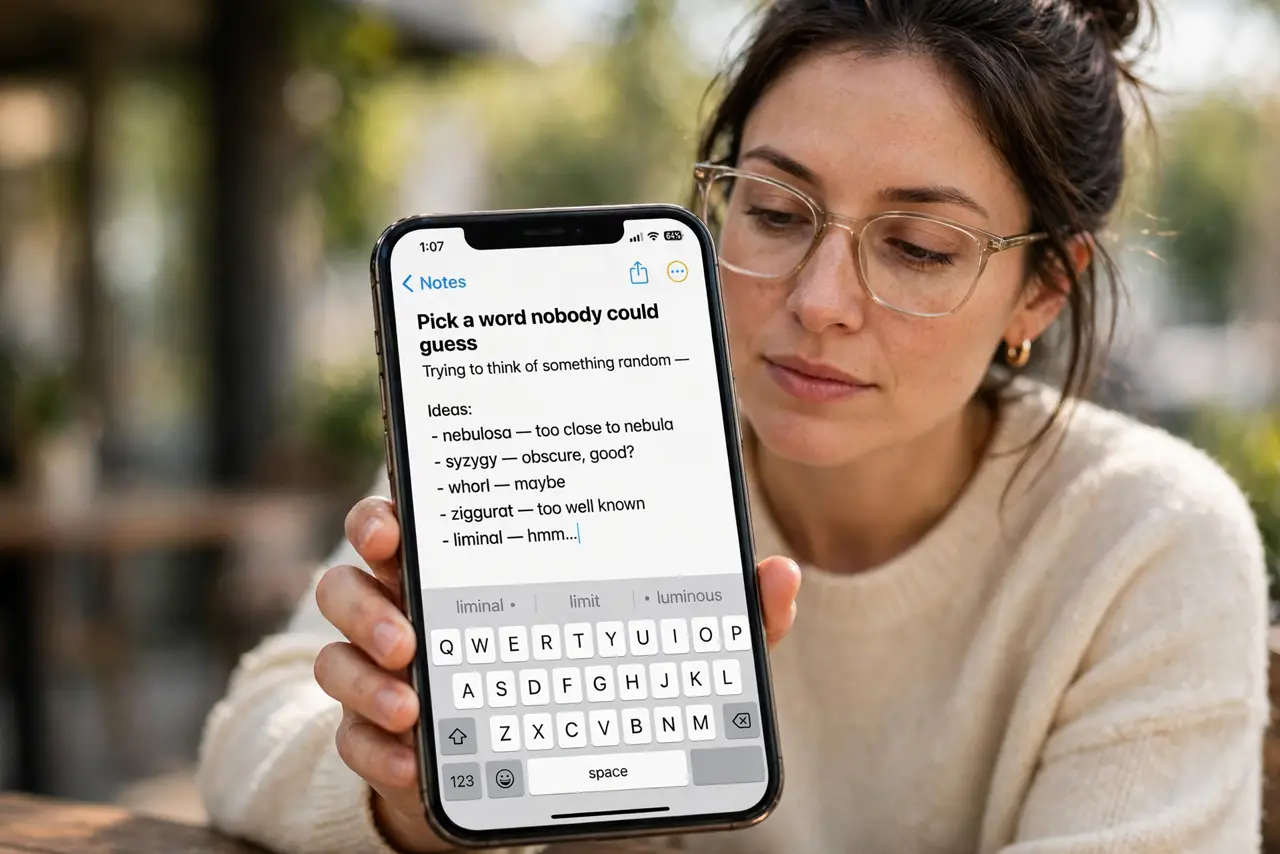
- Pick a word nobody could guess. Choose something random and unconnected to your family — a color plus an object works well. Avoid pet names, birthdays, or anything posted on social media, since scammers research targets.
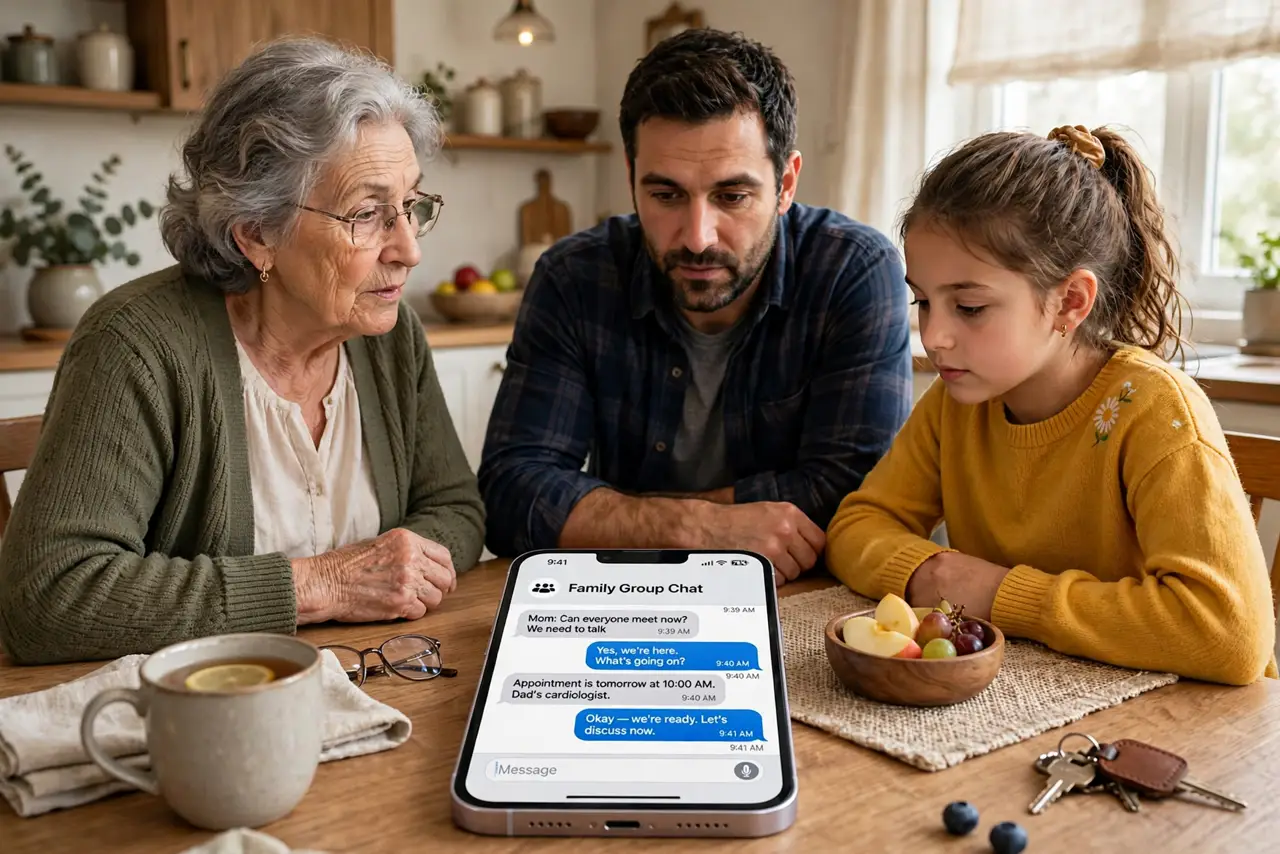
- Share it in person or on a trusted channel. Tell close family face to face, or in your usual family group chat. Do not post it anywhere public, and do not email it to distant relatives who might forward it.
- Agree on the trigger rule. The rule: any urgent call asking for money, gift cards, or codes gets the safe-word challenge. No exceptions for how convincing the voice sounds — cloned voices are the whole point of the drill.
- Practice the challenge phrase. Rehearse a calm line: 'Sure, and what is our family word?' A scammer will stall, deflect, or hang up. A real relative answers instantly. Practice keeps you calm when it counts.
- Include grandparents and kids explicitly. The most targeted people are the oldest and youngest. Walk them through it gently, without fear tactics — frame it as a family game, not a lecture about danger.
- Have a backup verification step. If someone claims they forgot the word, hang up and call them back on their known number. A real emergency survives a two-minute callback; a scam does not.
What NOT to do
- Do not use a word the family already says all the time. If it comes up in normal conversation, a scammer listening in could pick it up.
- Do not share the word with the caller before they prove themselves. Asking 'what is the word' is fine; volunteering it first defeats the purpose.
- Do not rely on caller ID. Scammers spoof numbers so the call looks like it comes from your loved one's phone.
- Do not skip the drill because it feels paranoid. Voice cloning is cheap and common now — the families who rehearse are the ones who hang up in time.
Frequently asked questions
What if a real emergency happens and they forget the word?
Hang up and call back on the number you already have for them. Real emergencies survive a callback; scammers cannot survive one.
How often should we change the safe word?
Once a year is plenty, or after any incident where it might have been overheard. Pick the new one together, in person.
Does this work against text message scams?
Yes — the same rule applies. An urgent money text gets a safe-word reply or a callback to the known number, never a payment.