Beware Grandparent Scams
The call comes late: "Grandma, it is me — I have been in an accident and I need money wired right now. Please do not tell Mom." It is not your grandchild. It is a scammer, possibly using an AI-cloned voice built from seconds of social media audio, playing on love and panic. This guide gives older adults — and the families who love them — the exact script that stops these calls cold. Set up a family safe word today, and drill the never-share-codes rule too.
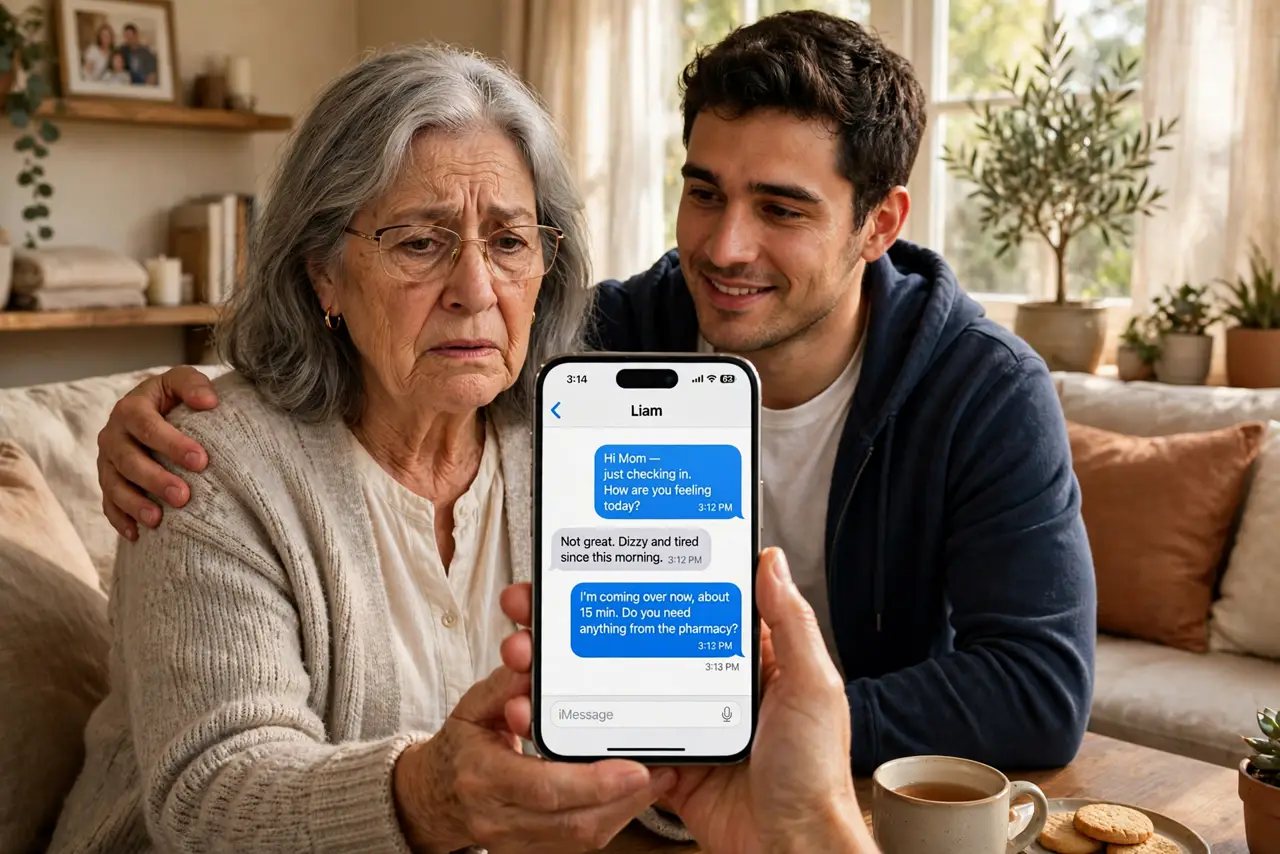
TL;DR / Quick Fix
Quick fix: an urgent call from a 'grandchild' asking for money and secrecy is a scam until proven otherwise. Hang up, then call them on their real number. Set a family safe word in advance for real emergencies. Never wire money or buy gift cards on a caller's instructions.
Follow these steps
- Recognize the script. Urgency plus secrecy plus an unusual payment method — wire transfer, gift cards, crypto. Real emergencies do not demand gift cards, and real grandchildren do not forbid you from telling their parents.
- Hang up — do not engage. You owe a scammer no politeness. Hang up mid-sentence if needed. Every minute you stay on the line is a minute they spend building pressure.
- Call back on the real number. Dial the grandchild's actual number — the one in your contacts, not one the caller gives you. In nearly every case, the grandchild is fine and has no idea what you are talking about.
- Use the family safe word. If you set one up, ask for it on any urgent call. A cloned voice cannot produce the word. No safe word yet? Make agreeing on one today's family project.
- Never pay the way they ask. Gift cards, wire transfers, and cryptocurrency are scammer favorites because they cannot be reversed. Any 'emergency' demanding these is fraudulent by definition.
- Report it. Report the call to local police and the FTC. Even unsuccessful attempts help investigators track the operations running these scams.
What NOT to do
- Do not stay on the line 'to be sure.' Certainty comes from the callback, not from more conversation with a criminal.
- Do not wire money or buy gift cards for any caller. No legitimate emergency is ever paid in gift cards.
- Do not let embarrassment stop you from telling family. Reporting quickly protects the next target — there is no shame in being targeted.
- Do not trust the voice alone. AI cloning needs only seconds of audio; familiarity proves nothing anymore.
Frequently asked questions
How do scammers get the grandchild's name?
Social media. Family posts name names, schools, and trips freely — scammers harvest it all before calling.
What if they knew personal details?
Public details are not proof. The safe word and the callback are proof — details from Facebook are not.
Should I answer unknown numbers at all?
Letting unknown calls go to voicemail is the simplest defense. Real family will leave a message or text.