Right to Repair? What It Means
Your phone's battery dies and the maker says only they can replace it — for triple the price of the part. The right-to-repair movement pushes back: owners should be able to fix their own devices with available parts, manuals, and tools. Here is what the movement means for your next purchase.
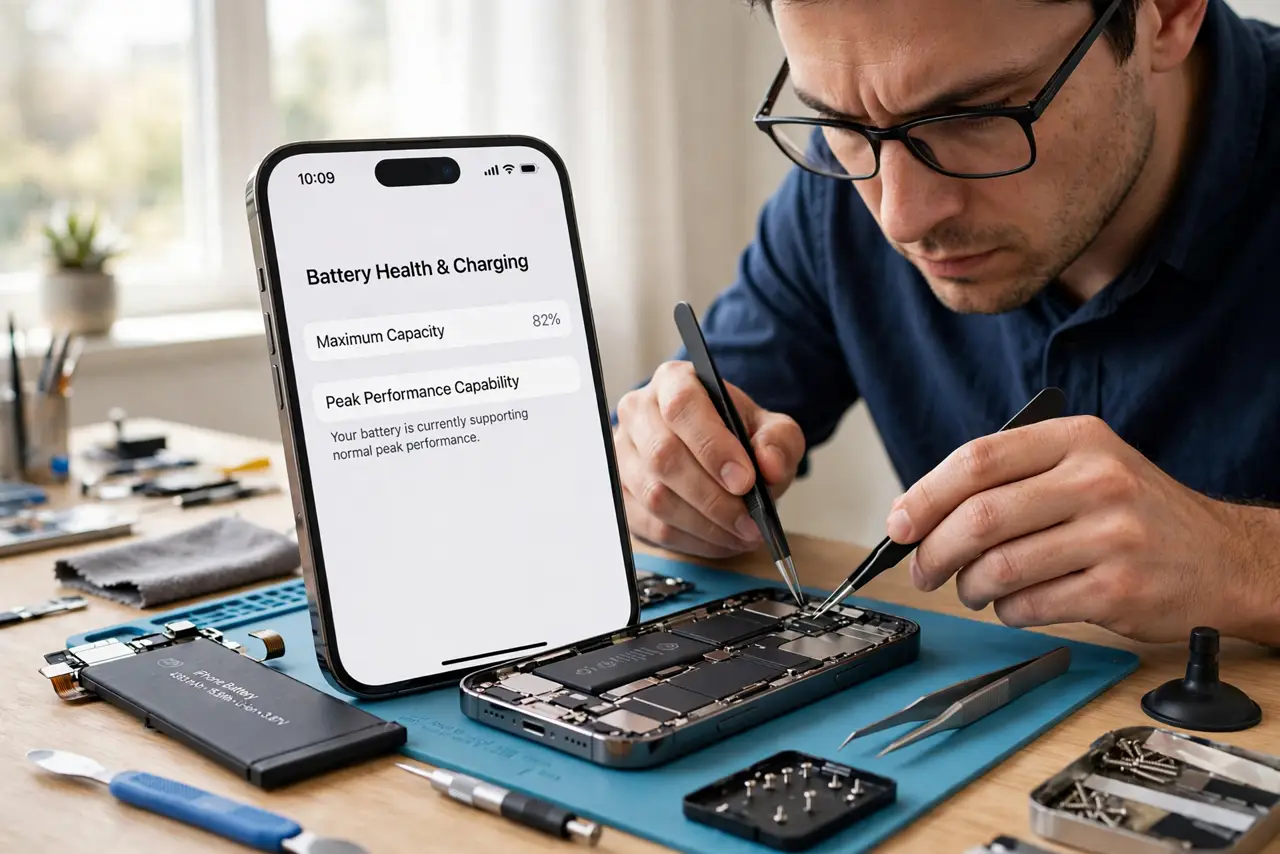
TL;DR / Quick Fix
Quick fix: right to repair is the principle that you should be able to fix your own devices — with parts, manuals, and tools available to everyone, not just authorized shops. It is gaining legal ground in several regions. When buying, favor devices with good repairability scores and available parts.
Follow these steps
- Understand the core idea. You bought it, you own it — so you should be able to open it, with parts and guides available. That is the whole movement in one sentence.
- Know what is changing. Laws in several regions now require makers to sell parts and publish manuals for years. Progress is uneven, but the direction is clear.
- Check repairability before buying. Independent teardown scores rate how fixable a device is — glued-shut versus screwed-together. A high score predicts cheap future repairs.
- Weigh repair against replace. Even with parts available, see repair vs replace — economics still decide each case.
- Start with easy repairs. Batteries, screens, and SSDs are the beginner-friendly fixes. Micro-soldering is not — know your lane.
- Keep your data backed up regardless. Repairs sometimes wipe devices. See data recovery basics — backups beat rescue attempts.

What NOT to do
- Do not assume every device is repairable now. Laws phase in slowly and vary by region and product category.
- Do not buy grey-market parts for safety-critical repairs. Batteries especially — cheap knockoffs are a fire risk.
- Do not open a device under warranty without checking terms. Some warranties survive owner repair now; some do not.
- Do not confuse right-to-repair with free repairs. It means access to parts and knowledge — the labor is still yours.
Frequently asked questions
Is right to repair actually law anywhere?
Yes, in several US states and the EU, with varying scope and timelines. Coverage keeps expanding, but check your region's specifics.
Does it cover cars and tractors too?
The movement started with farm equipment and now spans electronics, appliances, and vehicles — each with its own battles.
Will it make devices cheaper?
Not directly — but repairable devices last longer, which lowers the cost per year of ownership.