Spot Romance Scams
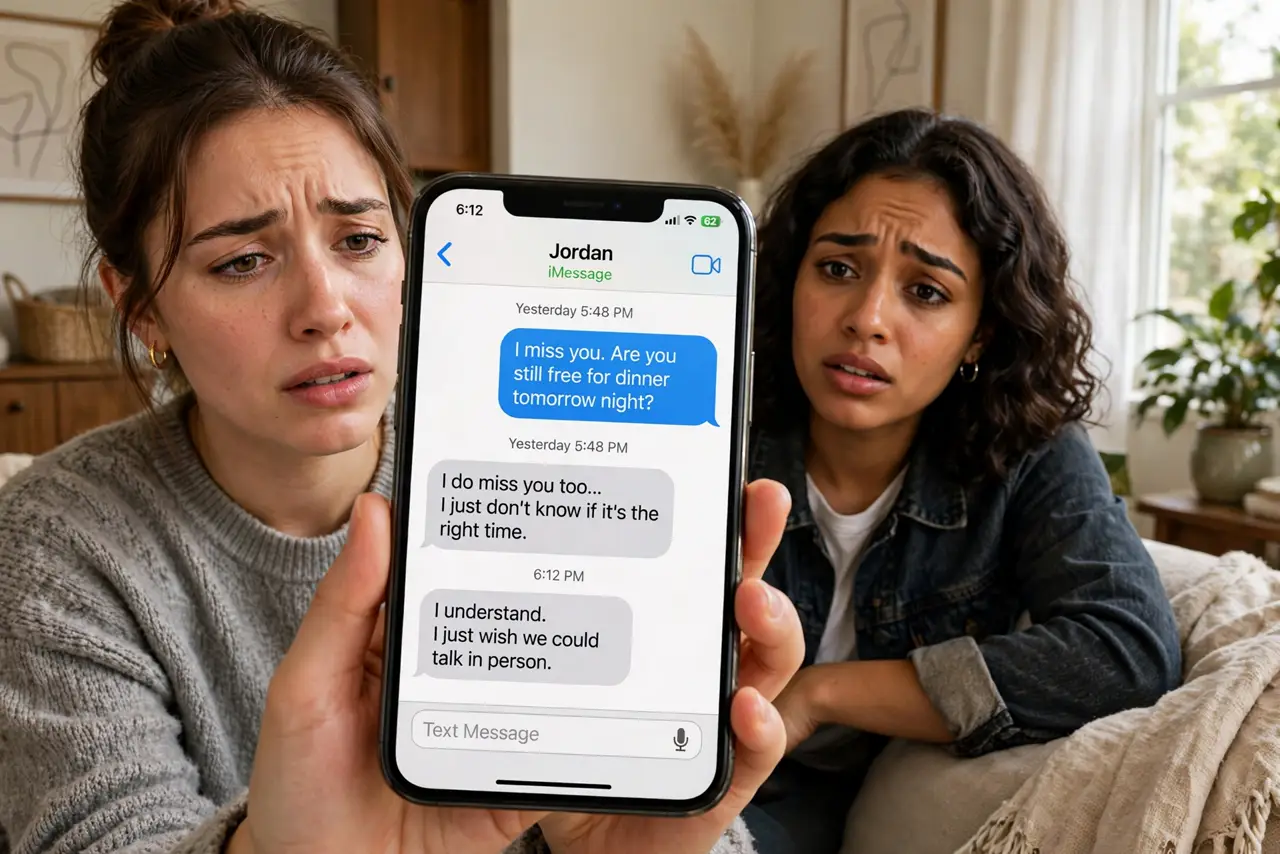
They are perfect — attentive, charming, always there to text — and after weeks of building trust, the emergency arrives: a hospital bill, a stuck shipment, a plane ticket to finally meet. The money goes, the person vanishes. Romance scams are the costliest consumer fraud because they hack emotions, not computers. This guide shows the pattern and the exit. For the charity version of emotional fraud, learn to vet charities first.
TL;DR / Quick Fix
Quick fix: anyone you met online who professes love quickly and then needs money is running a romance scam — no exceptions. Never send money, gift cards, or crypto to someone you have not met in person. Insist on a live video call; scammers always refuse or fake it.
Follow these steps
- Learn the timeline. Fast intimacy, then a crisis requiring money — medical emergency, business disaster, travel funds to visit you. The acceleration is the tell; real relationships do not run on this schedule.
- Reverse-image-search their photos. Stolen model and military photos are standard. The same face on dating profiles under different names across continents is definitive.
- Demand live video. Ask for an unscripted live video call — not a prerecorded clip. Scammers refuse, delay, or use deepfake-ish tricks; a real person video-chats happily.
- Never send money. No wire transfers, gift cards, or crypto — for any reason, any emergency, any amount. The moment money is requested, the romance was the setup.
- Do not become the mule. The advanced version asks you to receive and forward money or packages. That is money laundering — you become the criminal's tool and face legal risk.
- Tell someone and report. Shame keeps victims silent and scammers safe. Tell a friend, report to the FTC and the platform. You were targeted by professionals — there is no shame in that.
What NOT to do
- Do not send money to someone you have not met in person. This single rule stops every romance scam, no matter how convincing the story.
- Do not ignore friends' concerns. Outsiders see the pattern clearly — if everyone around you is worried, listen to them.
- Do not forward money or packages for them. Money muling is a crime even when you did not know — refuse and report.
- Do not keep it secret out of embarrassment. Silence protects the scammer; speaking up protects the next target.
Frequently asked questions
But we video-chatted — is it real?
Prerecorded clips and AI-generated video exist now. Demand interactive video — ask them to wave or hold up three fingers live.
I sent money already — can I recover it?
Wires, gift cards, and crypto are usually unrecoverable. Report immediately anyway, and cut all contact — 'recovery agents' who contact you are a second scam.
How do I help a friend in one?
Gently, without judgment. Share the pattern, offer to help verify, and be patient — emotional attachment makes the truth hard to hear.