A Scam Call Spoofs Your Local Number
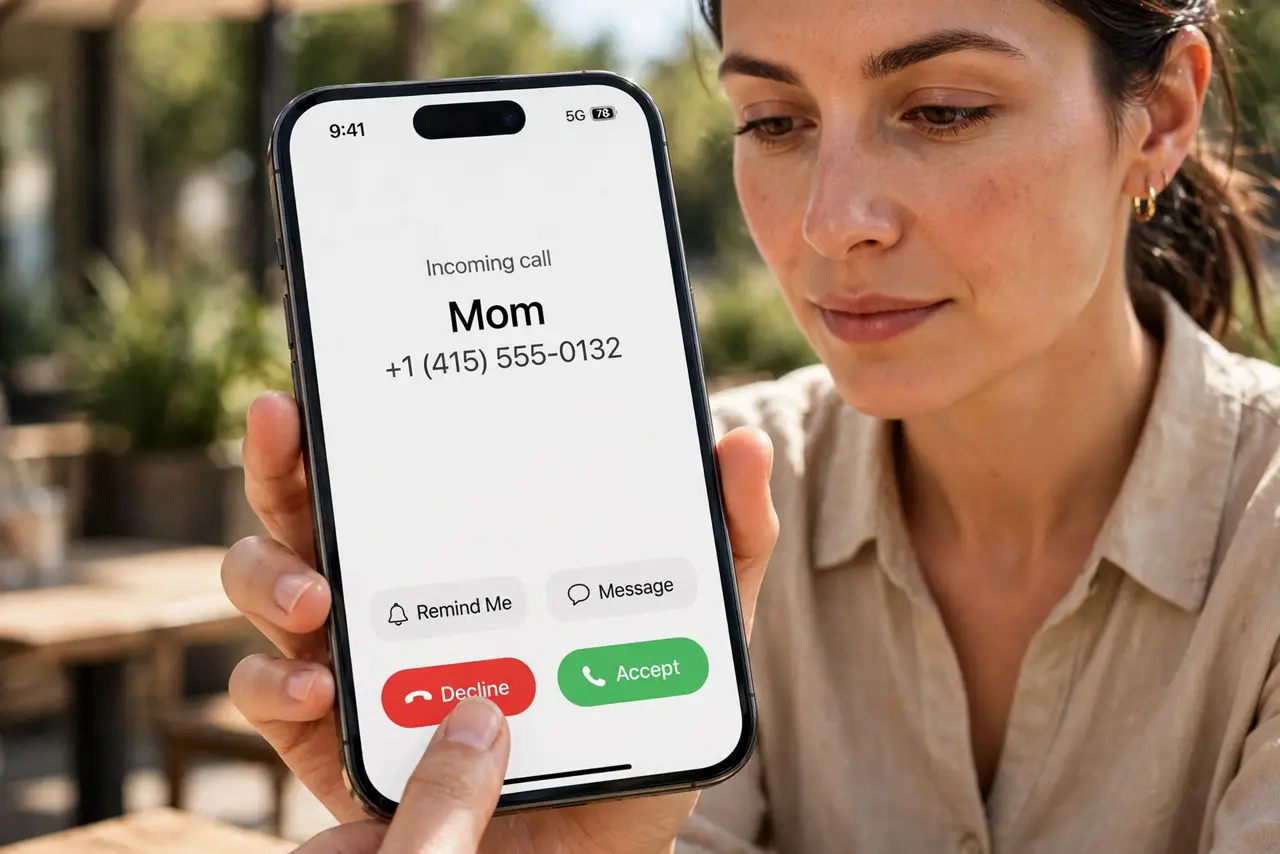
Your phone rings with your own area code — maybe even your own prefix — but the caller is a scammer on another continent. Spoofing fakes the caller ID, so a local-looking number proves nothing about who is calling.
TL;DR / Quick Fix
Quick fix: do not answer unknown local numbers, let them go to voicemail, and never trust caller ID as identity. Then block and report the number, turn on your carrier's spam filter, and warn family that local numbers can lie.
Follow these steps
- Let unknown local numbers go to voicemail. Do not answer numbers you do not recognize, even with a familiar area code. A real caller leaves a message; a scammer usually does not.
- Never trust caller ID as identity. Treat the displayed number as a claim, not a fact. Spoofing lets anyone show any number, so identity needs verification beyond the screen.
- Hang up on pressure and threats. If you answered and hear urgent threats about arrest, debts, or account closure, hang up. Real agencies do not demand gift cards or wire transfers by phone.
- Block and report the number. Block the number on your phone and report it to your carrier's spam service. Reports feed the filters that protect everyone.
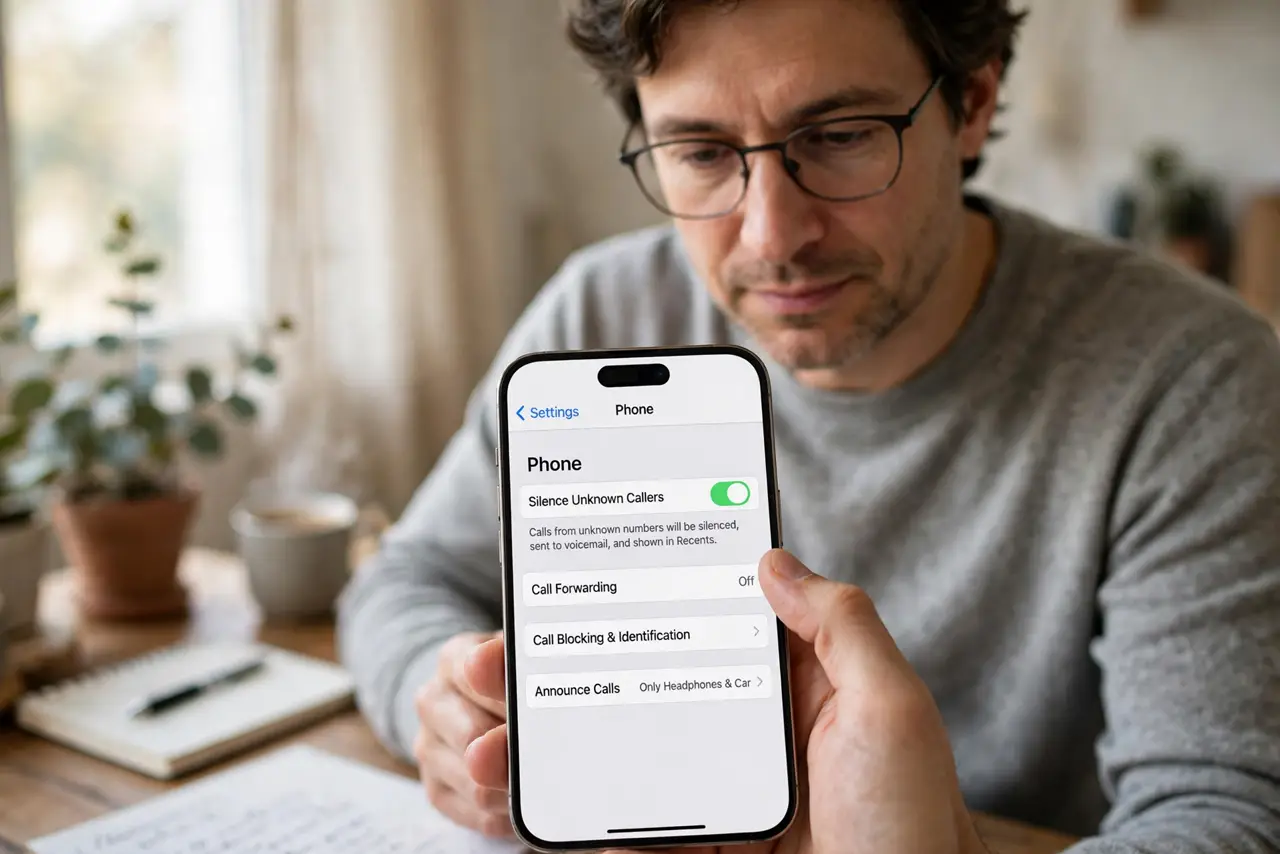
- Turn on carrier and phone spam filters. Enable your carrier's spam blocking and your phone's silence-unknown-callers style features, tuned so real unknown callers like doctors can still reach you.
- Warn family, especially older relatives. Tell parents and grandparents that scammers fake local numbers. One conversation prevents the panic-driven callback the scam counts on.
What NOT to do
- Do not call the number back out of curiosity. Callbacks confirm your number is live and can connect you straight to the scammer.
- Do not give personal details to any unexpected caller. Banks and agencies never ask for full passwords or codes on an incoming call.
- Do not trust the number just because it looks local. Spoofing exists precisely to borrow your trust in local numbers.
- Do not pay anyone who calls demanding money. Hang up and verify through official channels before any payment, always.
Frequently asked questions
Can scammers really fake my area code?
Yes. Caller ID spoofing lets any caller display any number, including your area code and prefix.
What if it might be a real local call?
Let it go to voicemail. Genuine callers leave messages, and you can call back on a verified number.
Will blocking stop spoofed calls?
It stops that number, but scammers rotate numbers constantly, so spam filters plus not answering matter more.
What to read next
- A Fake Support Call Asks for Remote Access
- A Tech Support Pop-Up Tells You to Call