Fake Cashier's Check? Spot It
It looks official — the bank logo, the watermark, the heavy paper — and it is completely worthless. Fake cashier's checks are the engine of overpayment and marketplace scams because victims trust the format. Banks must make funds available quickly by law, then the check bounces days later. Knowing the gap between available and cleared is your shield.
TL;DR / Quick Fix
Quick fix: banks must release funds from a deposited check quickly, but the check can still bounce days later — available does not mean cleared. Never hand over goods or refund overpayments until your bank confirms the check fully cleared. When in doubt, verify with the issuing bank directly.
Follow these steps
- Understand available vs cleared. Regulations make banks release funds within a day or two — but the check itself takes longer to actually clear. Scammers live in that gap: you see money, you act, then it vanishes.
- Never refund an overpayment. The core script: fake check for too much, you refund the difference, check bounces. A legitimate buyer never overpays by check and asks for cash back — treat any such request as fraud.
- Verify with the issuing bank — yourself. Call the bank printed on the check using a number you look up independently, not the number the buyer gives you. Ask them to verify the check number and amount.
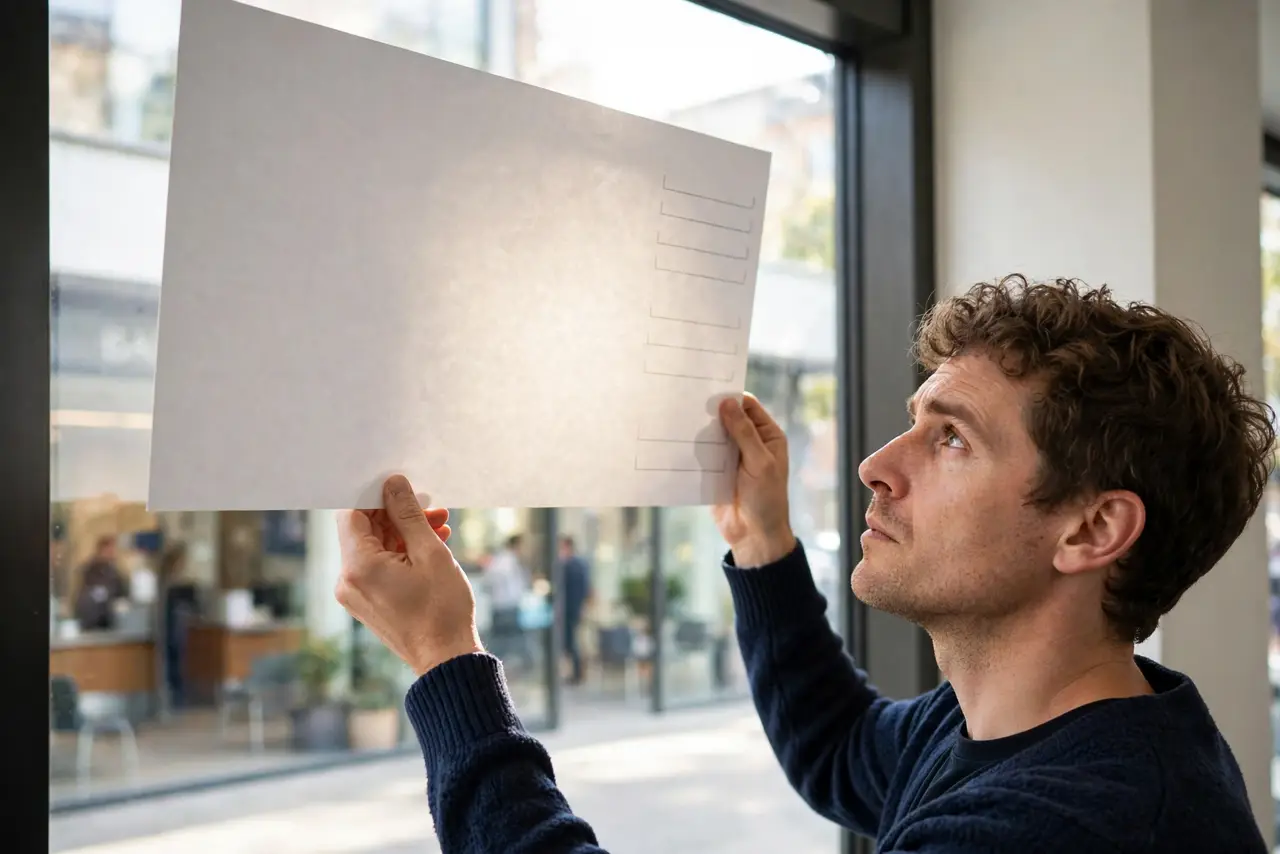
- Inspect the check physically. Real cashier's checks have consistent fonts, magnetic ink (the numbers at the bottom feel slightly raised), and no smudging. Blurry logos, mismatched fonts, or a personal check dressed up as cashier's are tells.
- Wait for full clearance on big amounts. For anything significant, ask your bank explicitly whether the check fully cleared, not just posted. Get the answer noted on your account before releasing goods.
- Prefer methods you can verify instantly. Cash in person, or a payment you can confirm inside your own banking app with no reversal-window games. If a stranger insists on a cashier's check specifically, ask why.
What NOT to do
- Do not trust a check because it showed as cleared in your app after one day. That is availability, not clearance — the bounce can still come.
- Do not call the phone number printed on a suspicious check. Scammers print their own bank verification lines.
- Do not deposit a check from someone you have not met for a deal you did not initiate. Mystery checks are never a lucky break.
- Do not wire the refund the same day. Speed is the scammer's weapon; every day you wait is a day the fraud can surface.
Frequently asked questions
How long does a check really take to clear?
Availability comes in one to two business days, but full clearance and fraud discovery can take a week or more. For large checks, your bank can tell you the specific hold and verification status.
Can a cashier's check bounce at all?
Yes — a fake one bounces when the fraud is discovered, and even real ones can be stopped or forged. The phrase describes the format, not a guarantee.
The bank already took the money back — am I liable?
Unfortunately, yes: the depositor is responsible for checks they deposit. That is why verification before acting matters more than anything after.