Free Trial Traps? How They Bill You
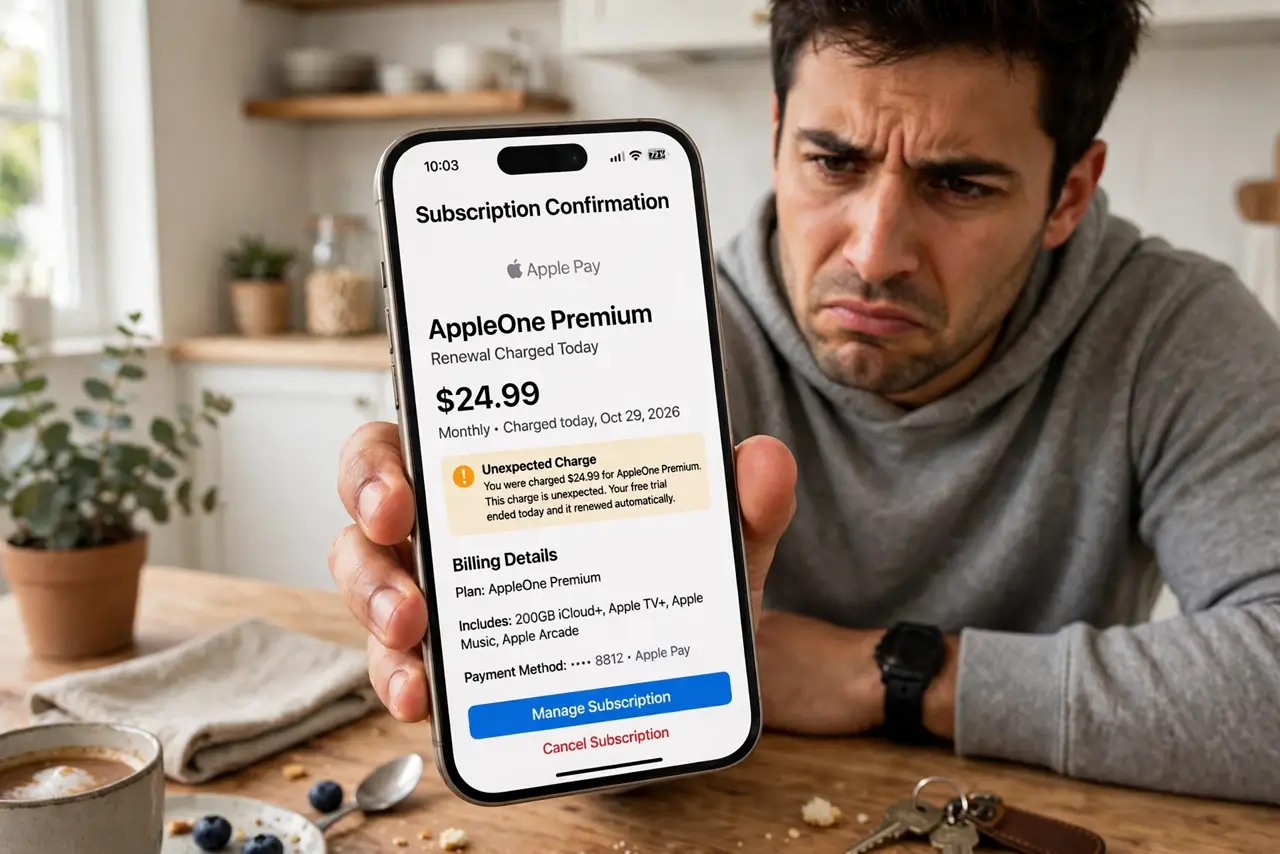
The trial was free, the first bill was not. Free-trial traps work by collecting your card number up front and counting on you forgetting the trial exists until the charges start. Companies are legally required to make cancellation as easy as signing up in many places now, but many still bury the cancel button. This guide shows how the trap works and the exact defenses: alerts, virtual cards, and calendar reminders that beat it.
TL;DR / Quick Fix
Quick fix: free trials bill you because they already hold your card number — the trial is bait, the subscription is the product. Never start a trial without a cancellation reminder two days before it ends. Use your bank's card controls, and cancel the day the trial ends.
Follow these steps
- Know the business model. The trial exists to convert, not to gift. The sign-up page is engineered so canceling later feels like work — tiny cancel links, retention offers, chat agents. Expect this before you enter your card, not after.
- Set the reminder before you start. The moment the trial begins, set a phone reminder for two days before the billing date. Put the exact cancel URL in the reminder note — future you is busy and will not search for it.
- Use a disposable payment layer. Pay with a virtual card number that you can freeze or cap at a low limit. If the company bills after you cancel, the charge simply fails instead of appearing on your statement.
- Read the billing date, not the trial length. A 30-day trial starting on the 5th bills on the 4th of next month — companies define it, not you. Screenshot the terms page showing the exact first-billing date so there is no argument later.
- Cancel immediately after signing up. Most services let you cancel on day one and keep the trial until it expires. Canceling first, testing second is the safest order — you cannot forget what is already done.
- Check your statement one cycle later. One month after canceling, scan the statement for the company's name or its billing processor. Residual charges are common; dispute them with the screenshot of your cancellation confirmation.
What NOT to do
- Do not use your main debit card for trials. Debit pulls real money instantly, and getting it back is harder than blocking a credit charge.
- Do not trust 'cancel anytime' without testing. Click the cancel flow on day one to learn where the button hides — before you need it.
- Do not ignore the first small charge. A tiny test charge is how they verify the card; the real billing follows, and silence is treated as consent.
- Do not assume deleting the app cancels the subscription. App-store and service subscriptions live on, billing happily, until you cancel at the source.
Frequently asked questions
Is a free trial that asks for a card a scam?
Not necessarily — it is the industry's standard conversion trick. The warning signs are a hard-to-find cancel page, no reminder email before billing, and terms that hide the billing date.
They charged me after I canceled — what now?
Contact the company first with your cancellation confirmation, then your bank if they refuse. Most banks reverse charges when you can show a canceled subscription, and a frozen debit card stops the next one.
Do trials hurt my credit score?
No — a missed trial payment is not a loan default. But an unpaid balance sent to collections can, so always cancel properly instead of just blocking the card.