Learn in Public
You are learning alone — tutorials, notes, silence — and progress has stalled. Nobody sees your work, so nobody corrects it, encourages it, or asks the question that unlocks the next level. Learning in public means sharing your work as you go: notes, projects, questions, mistakes. It feels exposing at first, and it accelerates everything.
TL;DR / Quick Fix
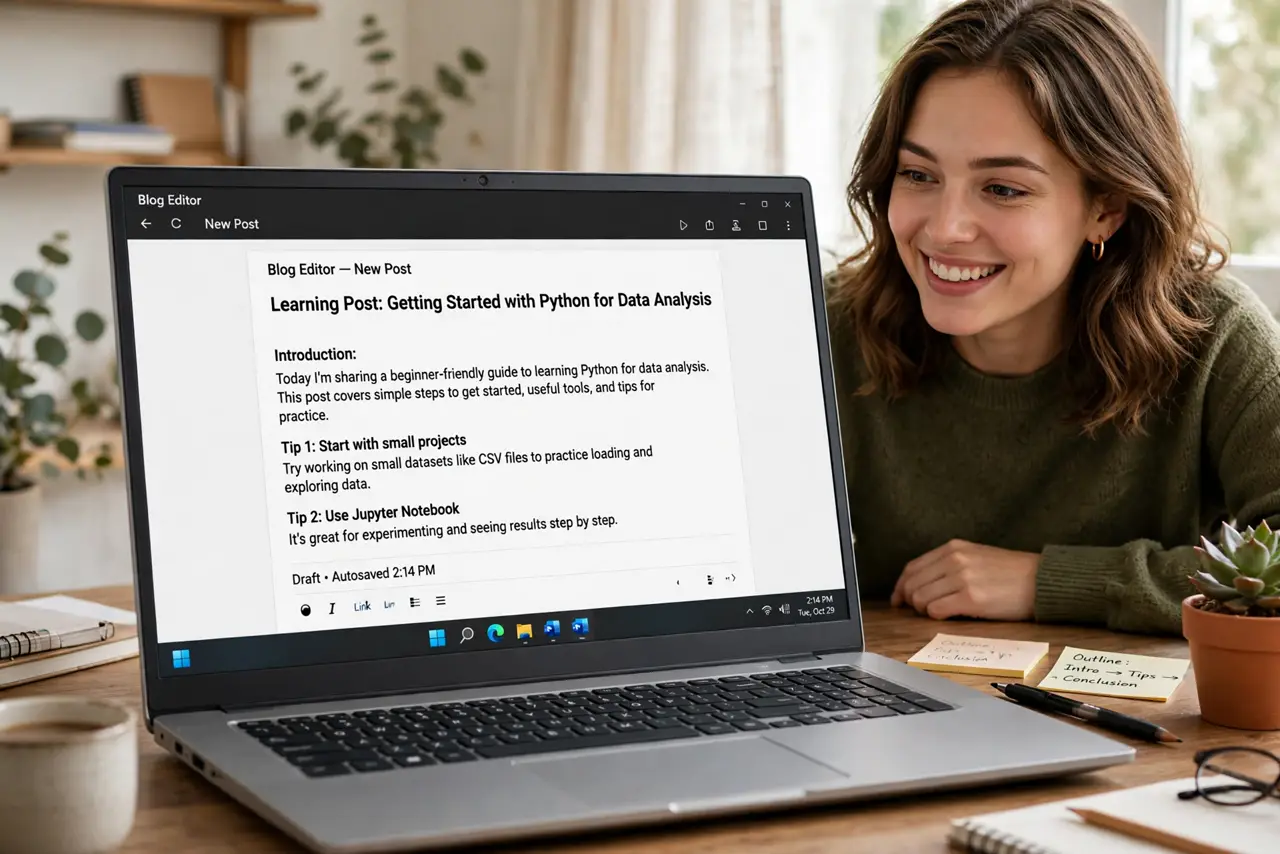
Quick fix: share one small thing you learned today — a note, a screenshot of a project, a question — on a blog, forum, or social account. Do it regularly, not perfectly. Feedback and accountability do the rest; the audience can be tiny.
Follow these steps
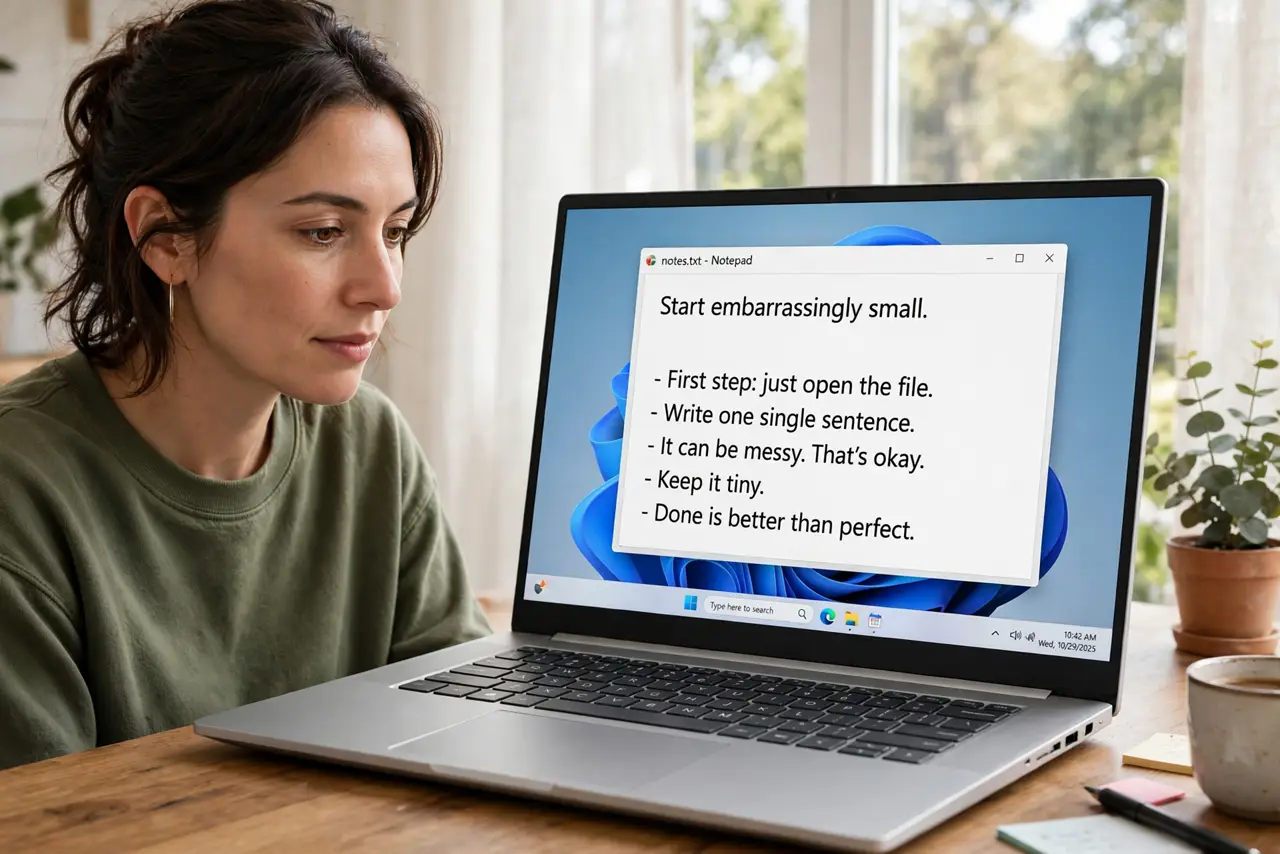
- Start embarrassingly small. One paragraph about what you learned today beats a grand tutorial series you never finish. Small shares are sustainable; sustainable beats impressive.
- Pick one home base. A blog, a forum, a social account — one place where your learning trail accumulates. Scattered posts across five platforms help nobody, least of all you.
- Share the process, not just results. Post the broken attempt and what fixed it, not only the polished outcome. Process posts teach more and attract the helpers who accelerate you.
- Ask questions publicly. Asking in public feels risky and pays enormously — the answer helps every silent learner with the same question, and experts enjoy answering well-asked ones.
- Teach as you go. Explaining each step as you learn it locks it in — teaching is learning with an audience. Your beginner's perspective is exactly what other beginners need.
- Keep the cadence, drop the polish. Regular beats perfect. A short weekly update sustains momentum; a monthly masterpiece sustains nothing. Done and shared beats perfect and private.
What NOT to do
- Do not wait until you are an expert. Experts sharing is teaching; learners sharing is learning in public — different activities, and you need the second one now.
- Do not compare your day one to someone's year five. Public learning feeds comparison — curate your inputs or it will poison the habit.
- Do not share credentials or private data. Screenshots of your work should never include API keys, passwords, or personal documents.
- Do not chase virality. The audience that matters is the five people who answer your questions — not the five thousand who scroll past.
Frequently asked questions
What if nobody reads it?
Then it is a public notebook — still valuable. Writing for an imagined reader clarifies thought even with zero actual readers.
Isn't sharing mistakes embarrassing?
Briefly, then it becomes your superpower — people trust and help learners who show the real process.
Where should I start sharing?
Wherever learners in your field already gather: a forum, a community chat, a simple blog. Go where the answers are.