Open vs Closed Headphones?
Shopping for headphones, you hit the fork in the road: open-back or closed-back? Open headphones leak sound through grilles on the earcups; closed ones seal it in. That single design choice decides isolation, soundstage, and where each type belongs. (Choosing between earbuds and big cans is a different fork — see IEMs vs headphones.)
TL;DR / Quick Fix
Quick fix: choose closed-back headphones if you commute, share an office, or need isolation — they keep sound in and noise out. Pick open-back for quiet home listening, where they sound more natural and spacious. If you only buy one pair and use them everywhere, closed-back is the safer default.
Follow these steps
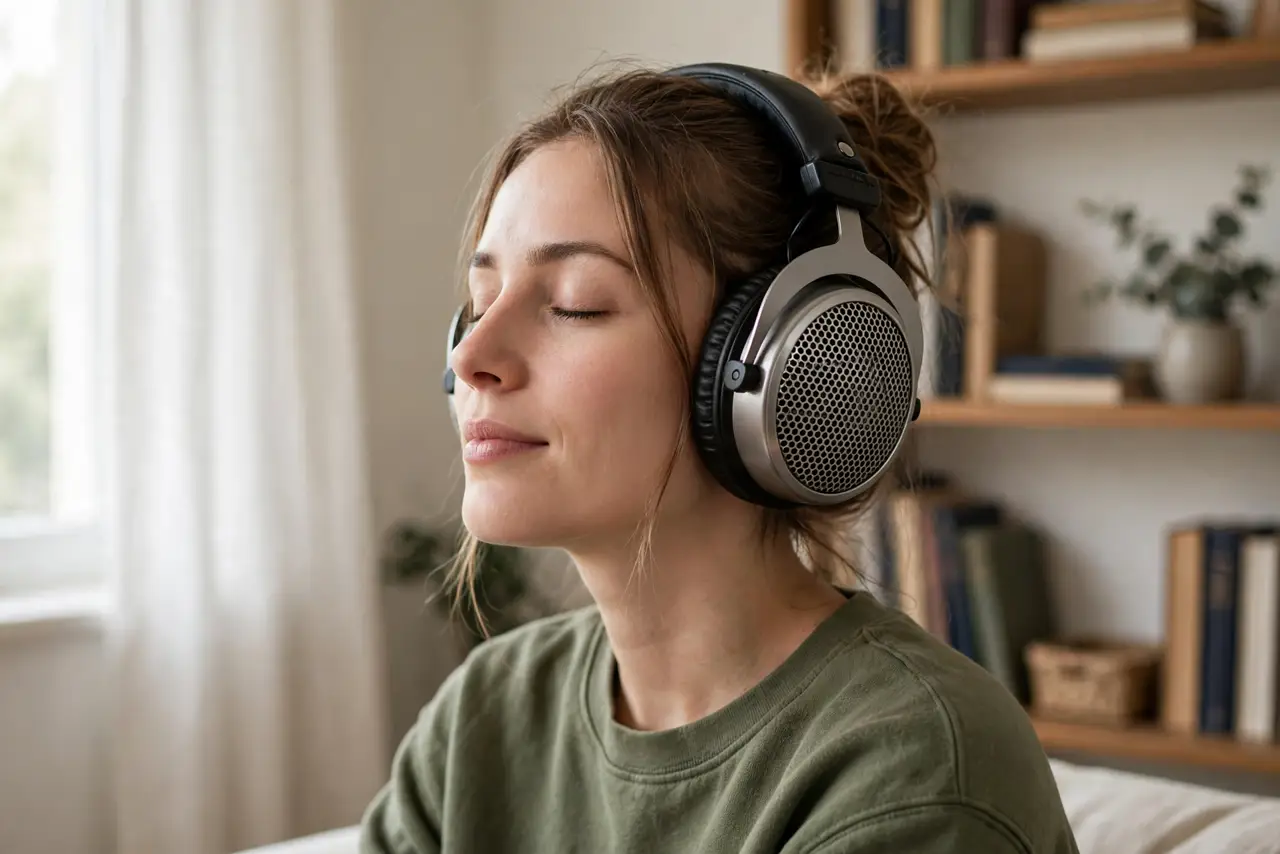
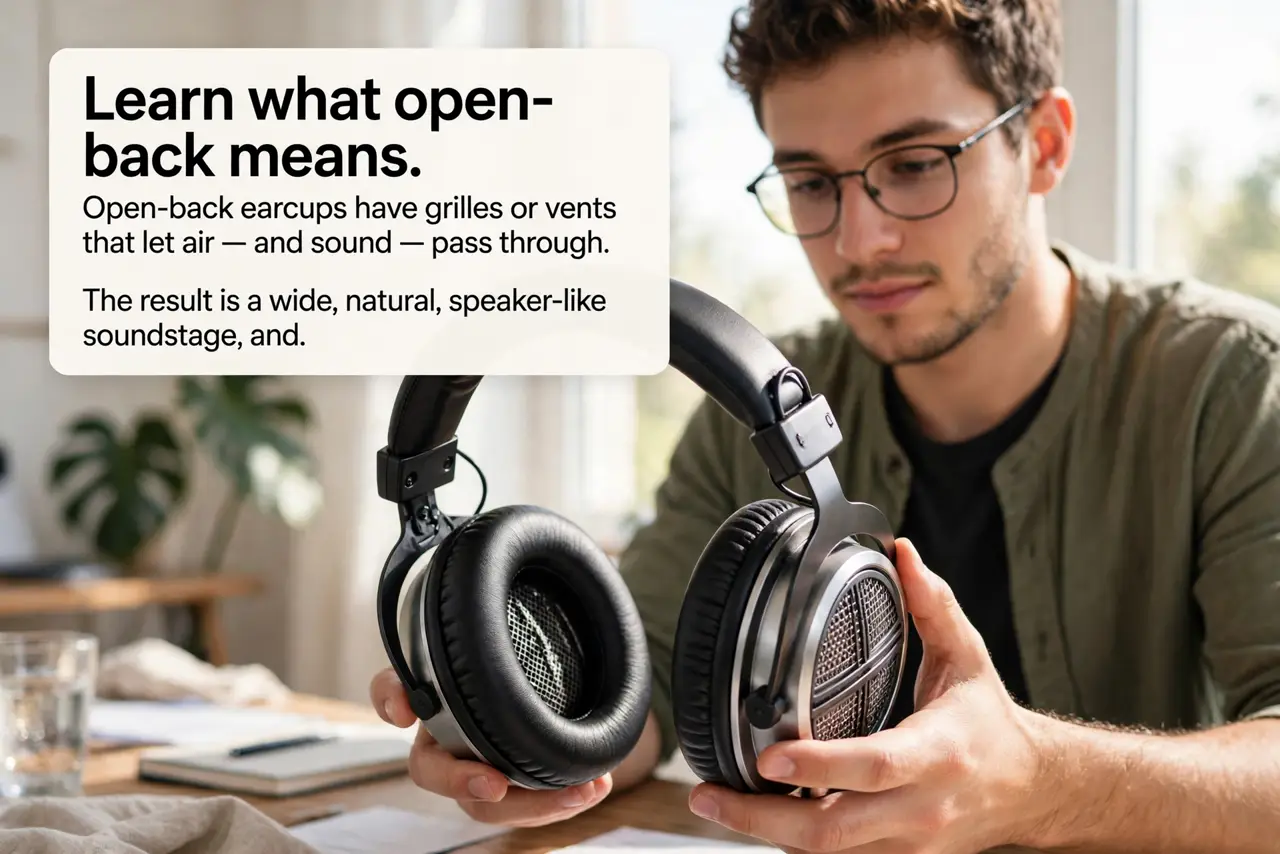
- Learn what open-back means. Open-back earcups have grilles or vents that let air — and sound — pass through. The result is a wide, natural, speaker-like soundstage, and everyone nearby hears your music too.
- Learn what closed-back means. Closed-back earcups are sealed. Sound stays in, outside noise stays out, and bass tends to hit harder. This is the design behind nearly all travel and office headphones.
- Match the design to your environment. Quiet room at home: open-back shines. Commute, open office, library, airplane: closed-back is the only polite and practical choice.
- Consider leakage etiquette. Open-back at moderate volume is clearly audible a few feet away. If anyone shares your space, that alone settles the debate.
- Try both if you can. The difference is hard to grasp from descriptions — ten minutes with each in a shop tells you more than ten reviews. Pay attention to comfort as much as sound.
- Decide by your main use. One pair for everything and a noisy life: closed-back. A dedicated home-listening setup in a quiet room: open-back earns its keep.
What NOT to do
- Do not buy open-back for commuting. You will hear the train and the train will hear you — nobody wins.
- Do not buy closed-back expecting a huge soundstage. Sealed cups sound intimate by physics; that is the tradeoff.
- Do not judge by price alone. A well-tuned budget pair of the right type beats an expensive pair of the wrong type.
- Do not ignore comfort. The best-sounding headphones you never wear are a waste — weight and clamp matter.
Frequently asked questions
Do open-back headphones sound better?
Often described as more natural and spacious — but only in quiet rooms. In noise, closed-back wins by actually being audible.
Can other people hear open-back headphones?
Yes, clearly at normal volumes. Treat them as speakers you wear — home use only.
What about noise cancelling?
ANC headphones are closed-back by necessity. See how noise cancelling works for the full explanation.