Protect Your Phone Number
Your phone number is on forms, receipts, and databases across the internet — and unlike an email, you cannot easily change it. It is the key to password resets and two-factor codes, which makes it valuable to scammers and spammers. Here is how to stop handing it out and contain the exposure you already have.
TL;DR / Quick Fix
Quick fix: stop giving your real number to every form — use a secondary or VoIP number for signups, shopping, and deliveries, reserving your number for people and banks. Turn on spam call screening, remove your number from public profiles and people-search sites, and never confirm it to unknown callers.
Follow these steps
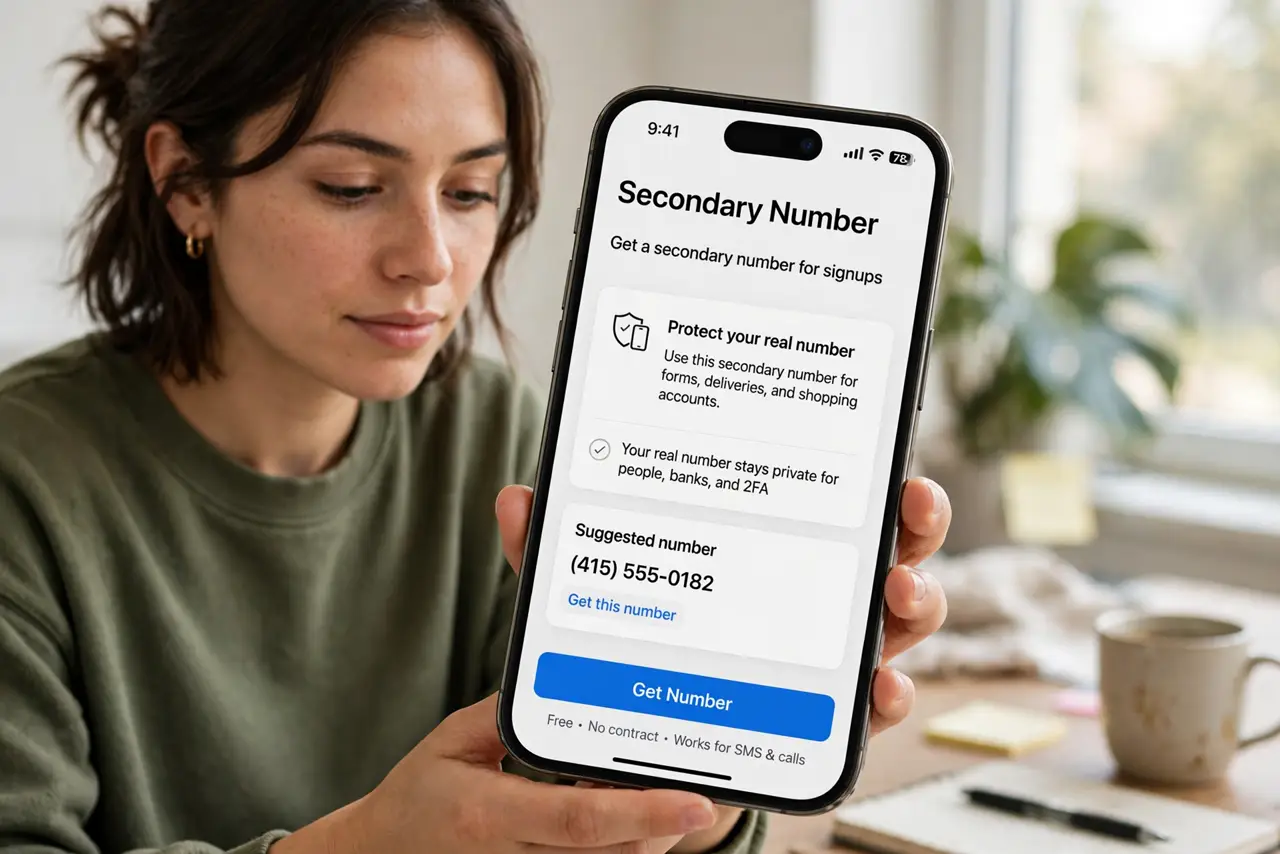
- Get a secondary number for signups. A free or cheap VoIP number absorbs forms, deliveries, and shopping accounts. Your real number stays with people, banks, and 2FA — compartmentalization is the strategy.
- Audit where your number is public. Check social profiles, old forum signatures, and business listings. Remove it everywhere it does not need to be — every public copy feeds spam lists and data brokers.
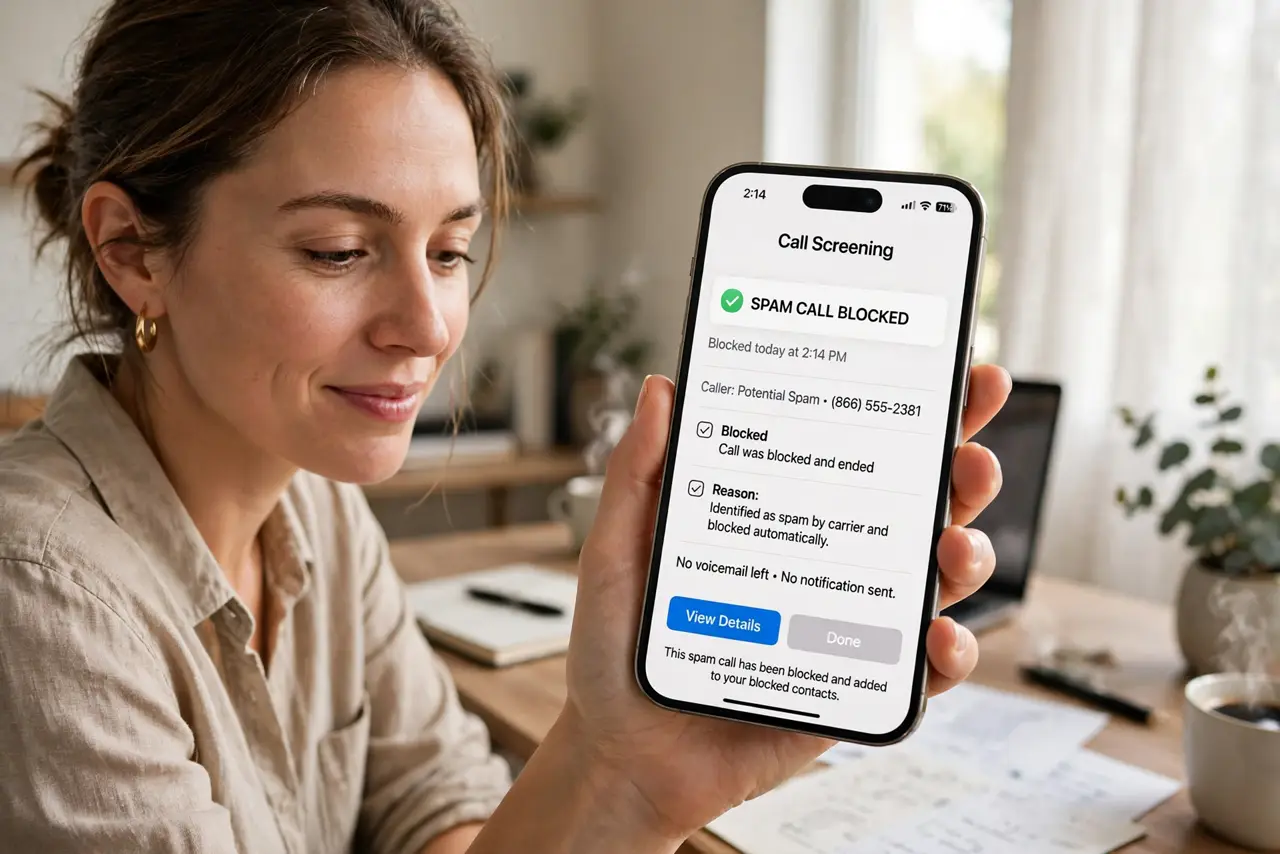
- Turn on spam screening. Both iPhone and Android offer silence-unknown-callers and spam screening. Enable them — see the spam call guide for the exact toggles.
- Never confirm your number to strangers. Scam calls that ask 'is this your number' are harvesting confirmations. Hang up on unknown callers asking you to verify anything.
- Use burner options for one-offs. For single transactions, a burner email handles the email side; for the phone side, the secondary number or a temporary number app covers it.
- Lock down 2FA properly. Since your number guards password resets, prefer authenticator apps over SMS codes where offered — SIM-swap attacks target exactly this weakness.
What to avoid
- Do not post your number publicly 'for convenience'. Every public posting is permanent — scrapers copy it within hours.
- Do not give your real number to loyalty programs. They are marketing machines; the secondary number exists for exactly this.
- Do not answer unknown calls just to check. Let them go to voicemail — answering confirms your number is live and increases future spam.
- Do not trust caller ID. Scammers spoof familiar numbers effortlessly — a 'bank' calling from a familiar-looking number still gets hung up on and called back officially.
Frequently asked questions
Can I change my phone number to escape spam?
You can, but it is disruptive and the new number eventually leaks too. Compartmentalization beats replacement — protect the real one, burn the secondary ones.
Is a VoIP number safe for 2FA?
Often not accepted — many services block VoIP for verification codes. Keep SMS 2FA on the real number, or better, move to an authenticator app.
How did spammers get my number?
Data breaches, forms, public listings, and brokers selling lists. Assume any number used online for years is compromised — that is why the secondary number exists.